
 EN
EN

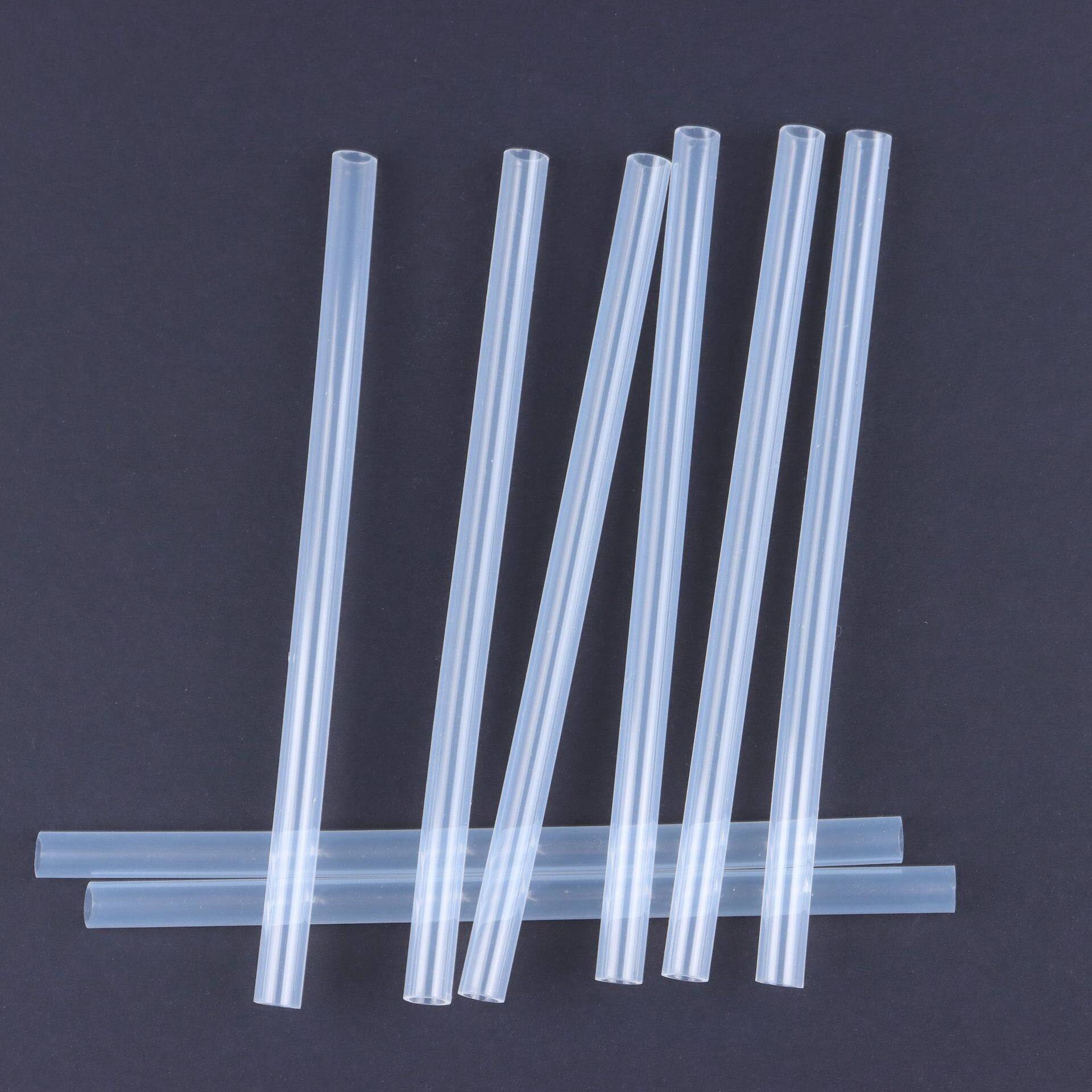
Silicone Tube Raw Materials and Polymer Preparation
Synthesis of Polydimethylsiloxane (PDMS) from Silica and Methyl Chloride
Making silicone tubing starts with some serious chemistry work on high purity silica. First step? Heating it up with carbon around 1800 degrees Celsius until we get elemental silicon. Then comes the fun part where this silicon meets methyl chloride gas in the presence of copper catalysts, creating something called dimethyldichlorosilane. This compound becomes our main ingredient for PDMS or Polydimethylsiloxane as the chemists call it. When we break down those chlorosilanes through hydrolysis, they turn into these reactive silanol bits that eventually link together into long polymer chains. Controlling how big these polymer molecules get matters a lot too. Manufacturers typically aim for weights somewhere between 50k and 700k grams per mole depending on what kind of properties they want in their tubing materials. To make everything hold together better after all this chemistry happens, companies throw in fumed silica at about 15 to 35 percent by weight. And let's not forget about those pesky platinum based inhibitors that stop unwanted reactions before they even start during storage periods.
Grading and Certification: Food-Grade, Medical-Grade, and Industrial-Grade Silicone Rubber
The certification standards for silicone tubing basically decide if it's good enough for food contact, medical use, or industrial purposes. When talking about food grade silicone, it needs to follow FDA regulations under 21 CFR section 177.2600. This means there can't be detectable amounts of heavy metals (less than 10 parts per million is acceptable) and the curing process must be free from peroxides. Medical grade silicone has even stricter requirements, meeting both USP Class VI standards and ISO 10993 guidelines for biocompatibility. These include testing whether the material causes cell death, allergic reactions, or breaks down blood cells. For industrial applications, manufacturers often add phenyl groups to their silicone formulas because this makes the tubing more resistant to fuels and those tricky aromatic hydrocarbons found in many industrial environments. No matter what grade we're looking at, all these materials go through third party checks for endotoxins (must stay below 20 EU/g for anything going inside the body), analyze what comes out during extraction using gas chromatography mass spectrometry, and measure volatile content which should remain under 0.5% for medical devices. After production, most batches get put through an extra heating process around 200 degrees Celsius lasting several hours to remove any leftover monomers, making sure everything passes those strict purity tests.
Silicone Tube Extrusion: Precision Shaping and Tooling
Single- and Multi-Lumen Extrusion: Die Design, Pressure Control, and Dimensional Stability
Silicone rubber gets formed into tubing via precision extrusion processes that rely on specialized die tooling. For single lumen applications, these dies can create circular profiles with inner diameters down to about 0.2 mm, which works great for those tiny microfluidic applications we see in lab settings. When dealing with multi-lumen setups, manufacturers can get creative with shapes like T-slots, star patterns, or even coaxial arrangements that are absolutely necessary when trying to keep different fluid streams separate in complex drug delivery systems. Keeping within those tight ±0.05 mm tolerances demands really good pressure control during production. If the flow isn't consistent, parts often end up outside what's acceptable for medical grade products. How the die itself is designed makes all the difference in how fluids distribute through those multiple channels, affects wall thickness consistency, and determines whether flexible tubing will resist kinking under stress. Modern high pressure extruders now come with closed loop feedback systems that automatically compensate for changes in material viscosity, which helps maintain that consistency throughout production runs. With this kind of control, medical equipment makers can actually build flow regulation right into the tubing walls themselves, cutting down on extra components needed for devices such as insulin pumps by roughly 30% based on some recent fluid dynamics modeling work.
Surface Finish, Wall Uniformity, and Tolerance Management (±0.05 mm Standard)
The quality of surfaces and wall consistency really hinges on how well we control the curing process and maintain our dies. When we apply controlled heat between around 200 to 300 degrees Celsius, it helps optimize crosslinking while keeping those annoying surface defects at bay like pits or that orange peel texture everyone hates. Medical grade tubing requires exceptionally smooth surfaces with a roughness average below 0.8 microns to stop bacteria from sticking around, which comes down to having properly polished dies and managing cooling rates effectively. We keep wall thickness variations within about plus or minus 5 percent because otherwise we run into issues with flow resistance in small tubes, create weak points when autoclaving, and generate unwanted particles. Our automated laser micrometers constantly check dimensions throughout production, and anything outside the tight ±0.05 mm range gets rejected according to ISO 1302 standards. With platinum cured silicones specifically, there's a clear link between surface shine and proper polymerization completion. A dull finish often signals incomplete curing, something that could jeopardize important certifications like USP Class VI. Regular polishing of dies not only preserves surface quality but also cuts down on leachable risks significantly, studies show up to 17% reduction based on research published in PDA Journal last year.
Curing and Crosslinking Methods for Silicone Tube Integrity
Heat Curing vs. Platinum-Catalyzed Addition Cure: Impact on Biocompatibility and Shelf Life
There are mainly two ways to cure these materials: one uses peroxides with heat, the other relies on platinum catalysts. The heat method works by breaking down organic peroxides during processing which creates volatile stuff that needs special baking afterward to remove. Sure, this approach cuts material costs around 25%, but leaves behind more residue (about 150 to 300 parts per million). On the flip side, platinum catalysis doesn't produce any reactive leftovers, so the final product is much cleaner with less than 50 ppm extractables. This makes it compliant with those important standards like ISO 10993 and USP Class VI requirements. Medical devices needing long term exposure to fluids typically go for platinum cured versions because there's no peroxide residue hanging around. Looking at shelf life data from recent tests, platinum cured tubing keeps almost all its hardness properties (98%) even after sitting for five years at room temperature, whereas heat cured ones drop to just 85% stability according to the latest Materials Performance Report.
Liquid Silicone Rubber (LSR) Injection Molding for Integrated Fittings and Complex Geometries
The LSR injection molding technique allows manufacturers to make silicone tubing complete with fittings and intricate shapes all at once. The process actually produces smooth connections between different tube sections and standard fittings like luers while keeping really tight specs around +/- 0.03 mm accuracy, even when dealing with those complicated multi-port designs. Cycle times stay below 45 seconds which makes this method ideal for mass producing medical equipment such as infusion systems that already have check valves built right in. This eliminates the need for extra assembly steps that would otherwise slow down production.
| Advantage | Performance Metric | Industry Application |
|---|---|---|
| Geometric Complexity | ±0.03mm wall uniformity | Microfluidic drug delivery |
| Assembly Consolidation | 75% reduction in seal points | IV therapy sets |
| Sterilization Resistance | Withstands 100+ steam cycles | Surgical equipment |
Medical device manufacturers increasingly adopt LSR molding to minimize failure points and comply with ISO 80369 standards for leak-proof connections, especially where silicone interfaces with rigid components.
Quality Assurance and Compliance Testing for Silicone Tube Performance
ASTM D412, ISO 10993, and USP Class VI Testing Protocols
Testing plays a vital role in making sure silicone tubing works well in important applications where failure isn't an option. The ASTM D412 standard looks at how much force the material can handle before breaking (usually above 10 MPa) and how stretchy it gets when pulled (often over 400%). Medical grade products need extra scrutiny through ISO 10993 testing which checks if cells die when exposed, whether skin reactions happen, and if there's any irritation risk. There's also USP Class VI certification that involves checking for harmful effects throughout the body after exposure. Labs run these tests carefully so every batch meets the same standards as the last one. Getting third party auditors involved helps manufacturers prove they follow all regulations, and this actually cuts down on the cost of retesting materials later on by around 30 percent compared to those without proper certifications.
Leachables, Extractables, and Sterilization Validation (EtO, Gamma, Steam)
For silicone tubing that goes into pharmaceutical applications and food processing, getting the sterilization compatibility right is really important. When we run extractables tests, what we're basically looking for are those potential organic compounds like siloxanes that might come out when things get heated up beyond normal operating conditions. The FDA says anything under 50 micrograms per milliliter is generally considered safe. Then there's the leachables testing which checks whether any bad stuff stays behind after exposure to common sterilization methods such as Ethylene Oxide, gamma rays, or steam autoclaves. We also do validation through accelerated aging processes that mimic what happens over five years of actual use. This helps us confirm that dimensions stay stable within about plus or minus 0.1 mm and that the material hardness doesn't change much either. Most importantly, all these tests happen at labs certified under ISO 17025 standards. Looking at real world data from FDA inspections shows around 99.8 percent of batches pass inspection, which tells us our quality control measures are working pretty well.
FAQ
What are the main ingredients for making silicone tubing?
The main ingredient is Polydimethylsiloxane (PDMS), synthesized from silica and methyl chloride in the presence of copper catalysts.
What certifications are necessary for silicone tubing?
Certifications vary based on application: food-grade silicone needs FDA compliance, medical-grade requires USP Class VI & ISO 10993, while industrial-grade often requires resistance to fuels and hydrocarbons.
How does extrusion affect silicone tubing quality?
Extrusion using specialized die tooling ensures precision shaping, dimensional stability, and surface finish, impacting overall tubing quality.
What curing methods are used for silicone tubing?
Heat curing and platinum-catalyzed addition cure are used, impacting biocompatibility and shelf life of the finished product.
Why is LSR injection molding favored in manufacturing?
LSR injection molding offers integrated fittings and complex geometries with reduced cycle times, ideal for mass production of medical equipment.