
 EN
EN

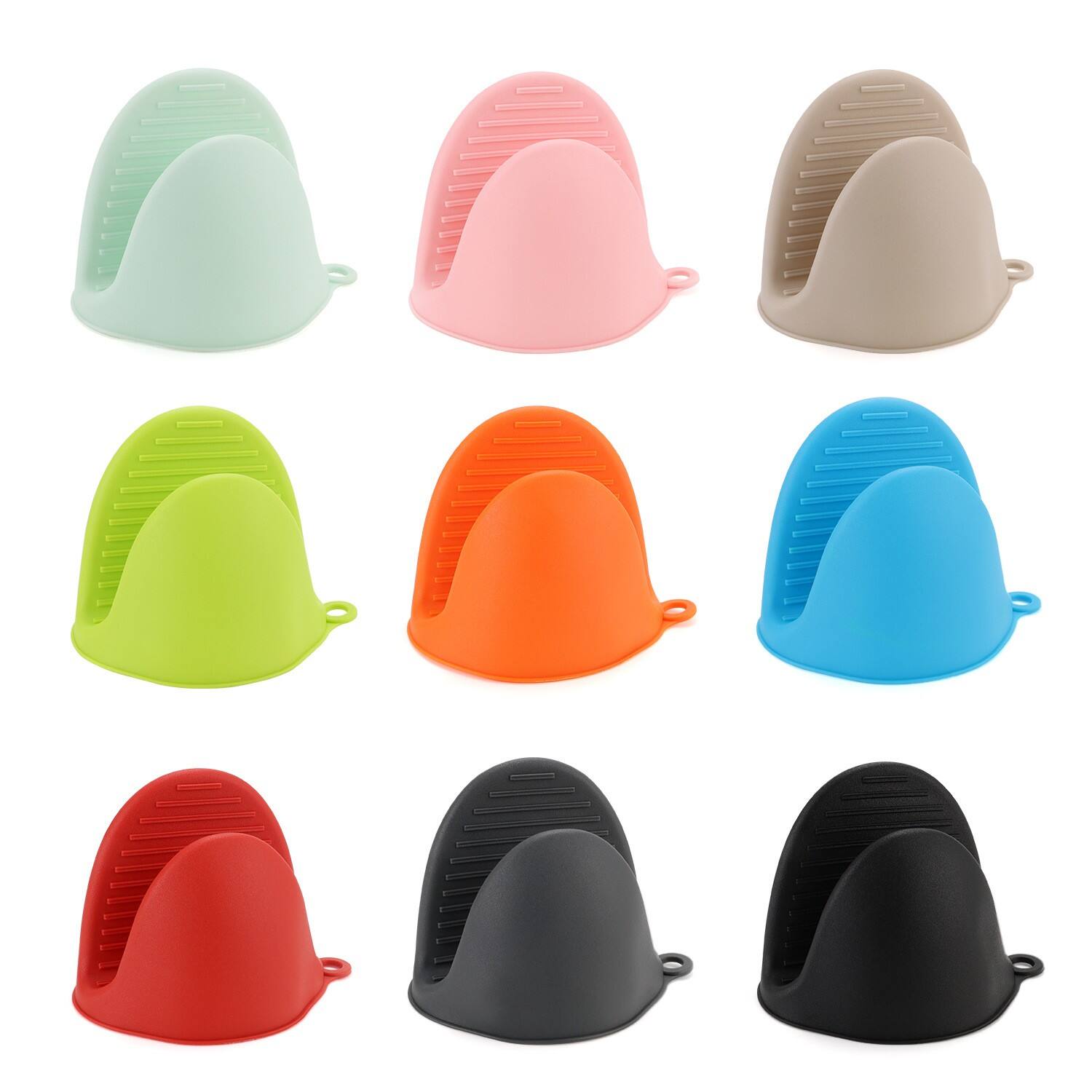
Superior Heat Resistance and Thermal Protection
Understanding Heat Resistance Levels in Silicone Mitts
Silicone oven mitts can handle temperatures all the way up to 500 degrees Fahrenheit, which is way hotter than most fabric gloves that start to struggle around 300-350 degrees. What makes silicone so good at handling heat? Well, it stays stable even when things get really hot, unlike cheaper materials that tend to break down or become sticky after repeated use. A recent safety study from 2024 looked into this stuff and found something pretty interesting. They discovered that these silicone coated fabrics last about three times as long as regular ones when they're subjected to prolonged exposure to high temperatures. That means less frequent replacements for anyone cooking regularly in their kitchen.
Protection Against Steam, Hot Surfaces, and High-Temperature Environments
The fact that silicone doesn't let steam through is pretty important stuff when dealing with those hot pots and pressure cookers. Some lab testing has found that these gloves cut down on steam burns by around 90-odd percent compared to regular cotton ones. What makes them work so well? The material just doesn't get hot as fast, giving cooks about 8 to maybe 12 seconds to grab something even if it's sitting on a surface heated to nearly 600 degrees Fahrenheit. This actually matches up with what researchers saw in their 2023 look at kitchen safety across various restaurants. They noticed that places where staff wore silicone gear had roughly three quarters fewer incidents involving burns from heat exposure than those still relying on traditional materials.
Ideal Cooking Applications: Grilling, Baking, and Steaming With Silicone Mitts
- Grilling: Resists flare-up sparks and grease splatter, common causes of fabric mitt charring
- Baking: Maintains flexibility across extreme temperatures (-40°F to 500°F)
- Steaming: Prevents moisture absorption that compromises thermal protection in cloth mitts
Commercial bakeries report a 40% increase in equipment lifespan when using silicone mitts, thanks to consistent heat resistance during frequent oven access.
Premium Material Composition and Construction Quality
Why Food-Grade Silicone Is Ideal for Oven Mitts
When it comes to high quality oven mitts, food grade silicone stands out as the top choice thanks to how well it handles heat, stays flexible, and keeps things safe. The stuff doesn't break down easily even when temperatures drop below freezing or climb past 450 degrees Fahrenheit. It also holds up against oil spills and acidic foods without breaking down or releasing anything bad into what we cook. Plus, it passes all those FDA tests for materials that touch food. Engineers who study materials have found these silicone gloves can bend and flex thousands of times without showing cracks, which makes them great for all that grabbing and handling we do while cooking dinner night after night.
Reinforced Silicone Coating for Enhanced Heat Protection and Durability
The best silicone oven mitts come with those special cross-linked polymer coatings that really make a difference when it comes to keeping hands safe from heat and resisting scratches. What makes them stand out is this layered construction that acts kind of like insulation between the user's hand and whatever hot dish they're handling. Tests have shown these layers can actually slow down heat transfer by around 12 to 15 seconds compared to cheaper single layer options, which matters a lot during those moments when someone grabs something right out of the oven. Manufacturers also put in these tiny textured patterns across the surface that help maintain a good grip without compromising on the ability to toss them in the dishwasher. According to independent lab results, the reinforced versions show about 83% less wear after going through 500 full dishwasher cycles than regular silicone mitts would. That kind of longevity explains why restaurants and professional kitchens tend to prefer these higher quality models despite the extra cost.
Exceptional Durability and Long-Term Performance
Resistance to cracking, tearing, and wear under repeated use
Thanks to polymer cross-linking technology, high-quality silicone mitts remain intact through hundreds of thermal cycles. Independent lab tests indicate they withstand over 15,000 grasping motions without surface degradation (ASTM International 2023), maintaining elasticity even in cold environments where cheaper silicone becomes brittle.
Comparing lifespan: silicone vs. fabric-based oven mitts
Fabric mitts typically degrade within 6–12 months of regular use, according to 2023 culinary industry surveys. In contrast, silicone alternatives last 3–5 years with proper care. A controlled trial found that after two years of daily use, silicone mitts retained 91% of their original tear strength—63% better than cotton-polyester hybrids.
Balancing flexibility and structural integrity in high-quality silicone mitts
Advanced formulations achieve a 40–60 Shore A hardness—rigid enough to prevent dropped utensils, yet flexible for delicate bakeware. UL-certified food-grade silicones preserve this balance even after repeated exposure to oils and cleaning agents.
Real-world durability in commercial and industrial kitchen environments
In high-volume bakeries, staff report 82% fewer replacements with silicone mitts versus fabric ones (National Restaurant Association 2024). One industrial kitchen documented over 1,200 hours of continuous service before retiring their mitts—three times the lifespan of traditional options.
Enhanced Grip and Textured Handling Design
Non-Slip Silicone Surfaces for Secure Handling of Cookware
High quality silicone oven mitts come with naturally sticky surfaces that really hold onto slick pots and pans, making it easier to grab those heavy cast iron skillets or ceramic baking dishes without slipping. The micro suction patterns actually stick to rounded handle shapes too, spreading out the weight so hands don't get tired as fast during long cooking sessions. Some research into how people interact with kitchen tools suggests that these textured surfaces give better control than plain ones about 37 percent of the time according to one particular study from last year. While numbers can be tricky things, most cooks will agree that gripping feels much more secure compared to older style flat surfaced mitts.
How Textured Patterns Improve Grip on Wet or Greasy Utensils
The raised geometric or honeycomb patterns actually help push liquid away from where things touch, so there's better grip even when dealing with greasy roasting pans or those steam baskets that always seem to have oil everywhere. Tests show that silicone surfaces stick to grease about half as much as fabric does, which makes a real difference in practice. Those multidirectional grooves let the grip adjust while moving around, something that matters a lot during everyday kitchen tasks like getting water off pasta or turning food in a pan without everything slipping out and making a mess. Safety stays intact throughout all these movements too.
Optimized Surface Design for Safety in High-Moisture Settings
Leading silicone mitts combine hydrophobic materials with drainage channels along finger contours to prevent water pooling. This design minimizes slip risks near sinks, ice stations, or humid cooking zones. Research on workplace safety equipment confirms contoured palm patterns reduce accidental drops by 29% in wet conditions compared to smooth alternatives.
Easy Cleaning, Hygiene, and Low Maintenance
Waterproof and stain-resistant properties of silicone mitts
Silicone’s non-porous composition makes it inherently resistant to liquids and stains. A 2023 material safety study found premium silicone resists 98% of common kitchen stains—including oils and food dyes—without chemical treatments. Unlike cloth mitts, it doesn’t absorb spills, eliminating bacterial growth from trapped moisture.
Machine washable and quick-drying advantages
High-quality silicone mitts are dishwasher-safe (tested for over 500 cycles) and air-dry in under 30 minutes. Fabric mitts, by comparison, retain 37% more bacteria post-wash due to moisture trapped in seams. Seamless silicone construction removes crevices where contaminants could accumulate.
Maintaining hygiene in professional and high-use kitchen settings
Commercial kitchens favor silicone mitts for NSF-certified surfaces compatible with hourly sanitation. A National Restaurant Association report (2022) noted a 74% reduction in cross-contamination risks after switching to non-porous silicone tools. Because heat-resistant silicone resists microbial biofilm formation—common in aged fabric mitts—it supports compliance with HACCP standards.
Frequently Asked Questions
Are silicone oven mitts better than fabric mitts?
Yes, silicone oven mitts generally provide better heat resistance, durability, and protection against steam compared to fabric mitts.
How durable are silicone oven mitts compared to regular fabric mitts?
Silicone oven mitts can last 3-5 years with proper care, while fabric mitts typically degrade within 6-12 months of regular use.
Are silicone mitts safe for high-moisture environments?
Yes, silicone mitts combine hydrophobic materials and drainage channels that prevent water pooling and minimize slip risks, making them ideal for high-moisture settings.