
 EN
EN

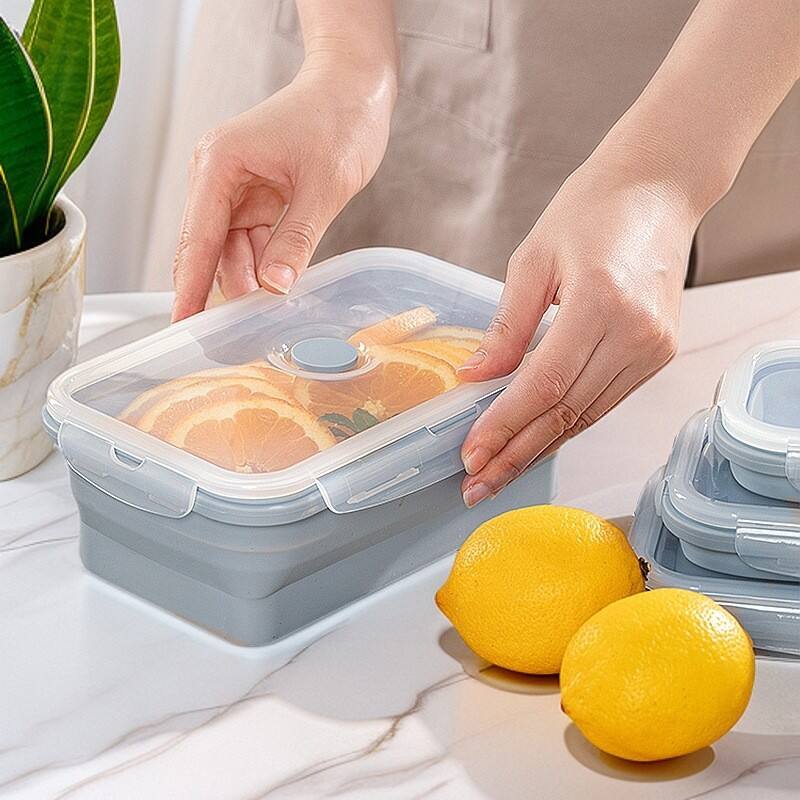
Temperature Resistance and Safety of Silicone Containers in the Freezer
Cold Tolerance: Why Food-Grade Silicone Performs at -40°F and Below
Silicone containers rated for food storage can handle really cold temps, staying intact all the way down to -40 degrees Fahrenheit. Most plastic containers start showing cracks when it gets below freezing at 32 degrees F. The reason silicone stays so tough in the cold is because of how its molecules are arranged. Unlike plastics that get brittle and snap, silicone remains flexible since it doesn't form those rigid crystal structures when chilled. This flexibility makes it much easier to remove frozen foods from containers, whether its thick soup or chunky sauce that's been sitting in the freezer for weeks. Higher quality silicone made with platinum curing lasts through countless trips between fridge and oven without warping shape or losing seals. That's why these containers work so well for people who frequently store meals in their freezers for later.
Chemical Stability and Zero Leaching Risk at Sub-Zero Temperatures
Silicone doesn't react chemically even when exposed to extreme temperatures, which includes long periods stored in freezing conditions. Tests have shown there's basically nothing leaching out at temperatures below zero degrees Fahrenheit, something that can't be said for most regular plastics which tend to let go of those plasticizers when cold. The kind of silicone we're talking about here meets FDA standards and is made with platinum curing, so it doesn't contain any BPA, phthalates or fillers either. That means home cooks don't need to worry about chemicals getting into their soup stock, leftover casseroles or carefully prepared freezer meals. The material stays stable throughout cooking and freezing processes, keeping food safe while preserving flavors naturally without adding unwanted substances.
Functional Performance of Silicone Containers for Frozen Food Storage
Flexibility, Crack Resistance, and Easy Release from Frozen Contents
Silicone remains highly elastic even at -40°F, allowing users to twist or flex containers to release frozen contents cleanly—no scraping, soaking, or wasted food. Unlike rigid alternatives, it resists shattering or microfracturing during handling, preserving both usability and food safety over repeated freeze-thaw cycles.
Leakproof Seals and Airtight Lids for Soups, Sauces, and Liquids
Silicone lids designed for compression sealing really stick to container edges, even when there are slight differences from one manufacturer to another. They create pretty good seals that keep air and moisture out. The benefit? Less chance of freezer burn forming on foods stored long term, plus fewer ice crystals developing in liquid items kept in the fridge or freezer. Some tests showed that when these silicone containers were properly closed, they held onto sauce moisture about 23 percent better compared to regular plastic containers. That makes a real difference over time as flavors stay fresher and textures don't get ruined during storage periods lasting weeks or months.
Long-Term Durability: How Silicone Containers Compare to Plastic and Glass in Freezer Use
Longevity and safety go hand in hand when looking at freezer storage options. Silicone stands head and shoulders above most other materials because of how tough it actually is on a molecular level. Take regular plastic for instance it starts getting brittle after about five to seven times in the freezer, which creates tiny cracks and makes harmful chemicals more likely to leach into food. Meanwhile, silicone stays flexible even down at those super cold temps around minus 40 degrees Fahrenheit, and keeps working properly through literally thousands of freeze-thaw cycles without breaking down. Studies on material safety have found that polycarbonate and similar plastics tend to release microplastics when subjected to all that freezing over time, another reason why many people are switching away from these traditional options nowadays.
Glass is great at keeping chemicals from seeping into food, but it has some serious downsides when it comes to physical damage. The material is pretty rigid, so it tends to crack easily when dropped or bumped around during normal kitchen use. Quick changes in temperature can also be problematic, leading to those frustrating thermal shock cracks that nobody wants to deal with. According to what we see in households across the country, about one out of every six glass containers ends up broken within a year alone. That's where silicone steps in as a real game changer. It offers all the same non-reactive benefits of glass but doesn't shatter like a fragile ornament. Plus, these silicone containers can withstand impacts and last for many years without showing signs of wear and tear.
Durability Comparison
| Material | Freezer Longevity | Failure Risk | Replacement Frequency |
|---|---|---|---|
| Silicone | 8–10+ years | Low (flexibility) | Every 5+ years |
| Plastic | 1–3 years | High (brittleness) | Annually |
| Glass | 3–5 years | Moderate (thermal shock) | Biannually |
Though silicone carries a higher initial cost, its lifespan delivers ~60% total cost savings compared to annually replaced plastic systems—and maintains consistent food safety, unlike materials that degrade over time.
Best Practices for Using Silicone Containers in the Freezer
Filling Guidelines, Labeling Tips, and Avoiding Thermal Shock
When filling those silicone containers with soups or sauces, leave about an inch or so of space at the top. This helps prevent the container from getting squished or deformed as things expand while freezing. Speaking of organization, stick waterproof labels on everything with both date and what's inside. Makes life so much easier later on, especially if stuff gets buried back there in the freezer where it's prone to developing that dreaded freezer burn. Keep similar items together in vertical stacks so nothing gets knocked around when reaching for something else. And here's a tip many forget: don't rush things! Putting frozen silicone containers straight into hot ovens or microwaves is a bad idea. Let them thaw slowly either on the counter or in the fridge instead. Want better sealing? Try chilling whatever goes inside just a bit before putting on the lid. Creates a nice little vacuum effect that keeps air out and reduces those pesky ice crystals forming over time.
| Practice | Purpose |
|---|---|
| Headspace (1–2 cm) | Prevents pressure buildup from liquid expansion |
| Waterproof labeling | Maintains readability in frost-prone environments |
| Gradual thawing | Preserves material integrity against thermal stress |
Applying these practices extends container life while maximizing food quality, safety, and freezer efficiency.
FAQ
Can silicone containers withstand freezing temperatures without damage?
Yes, silicone containers are designed to withstand extreme cold, maintaining integrity down to -40°F. Unlike plastics that become brittle, silicone remains flexible, making it ideal for freezer use.
Do silicone containers leak chemicals into food when frozen?
No, food-grade silicone made with platinum curing is chemically stable and does not leach chemicals even at sub-zero temperatures, ensuring food safety and taste.
How does silicone compare to plastic and glass for freezer storage?
Silicone outlasts plastic by resisting brittleness and does not shatter like glass when exposed to thermal shock. It offers better long-term durability with lower replacement costs.
How can I improve the lifespan of silicone containers?
Follow best practices such as leaving headspace for liquid expansion, labeling with waterproof markers, and avoiding sudden temperature changes to prolong the lifespan of silicone containers.