
 EN
EN

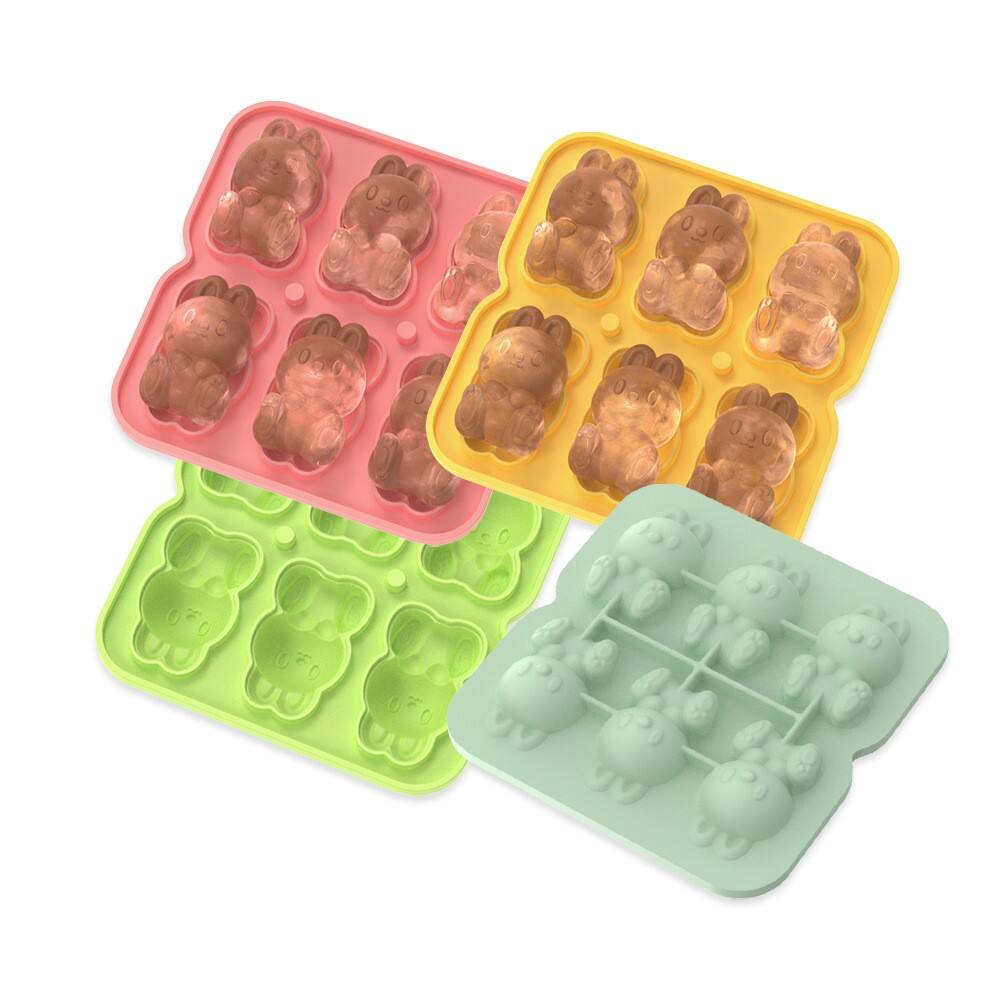
Introduction: The Critical Role of Silicone in Ice Mold Performance
At Xiamen Hands Chain Silicone Co., Ltd., where we specialize in precision-engineered OEM and ODM silicone and rubber components, we understand the intricate relationship between material properties and functional performance. The challenge of releasing ice blocks from molds is one that combines material science, design principles, and practical techniques. Whether you're a commercial ice producer, a hospitality business, or a home enthusiast, mastering ice block release techniques can transform your ice production efficiency.
This comprehensive guide draws on our extensive expertise in silicone compression molding, injection molding, and extrusion to provide professional solutions for ice block mold challenges. Our BSCI-certified manufacturing processes, compliant with REACH, LFGB, RoHS, and GMP standards, inform the material insights that make these techniques effective across global applications.
Understanding Why Ice Blocks Stick: Material and Temperature Factors
Material Considerations in Ice Block Mold Design
Ice block sticking typically occurs due to three primary factors: material composition, surface texture, and thermal dynamics. Standard plastic molds often create strong adhesion with frozen water due to microscopic pores and surface irregularities. In contrast, food-grade silicone—our specialty at Hands Chain Silicone—exhibits superior non-stick properties due to its smooth polymer surface and flexible structure.
From our experience manufacturing custom silicone components for international clients, we've observed that the material's durometer (hardness) significantly impacts release characteristics. Softer silicone (20-40 Shore A) provides easier demolding but may lack dimensional stability for perfectly square blocks, while firmer silicone (50-70 Shore A) maintains shape precision but requires optimized release techniques.
The Physics of Ice Adhesion
When water freezes, it expands approximately 9% in volume. This expansion creates mechanical locking in mold imperfections. Additionally, hydrogen bonding between ice and certain materials increases adhesion strength. Understanding these principles is crucial for developing effective release strategies.
Professional Techniques for Easy Ice Block Release
Pre-Use Mold Preparation and Treatment
1. Initial Conditioning: Before first use, wash silicone ice block molds with mild soap and warm water to remove manufacturing residues. For optimal performance, lightly coat with a food-grade mineral oil spray, then wipe away excess with a paper towel. This creates a microscopic barrier layer without affecting ice purity.
2. Temperature Acclimation: Gradually introduce new molds to temperature extremes. Sudden thermal shock can affect long-term release properties. Begin with shorter freezing cycles (2-4 hours) before progressing to overnight freezing.
The Water Preparation Method
Quality Matters: Use filtered or distilled water. Dissolved minerals and impurities not only affect ice clarity but also create crystalline structures that adhere more strongly to mold surfaces. Our GMP-compliant manufacturing insights confirm that pure water produces cleaner releases.
Temperature Strategy: Pouring cold water (refrigerated, not room temperature) into molds reduces thermal stress and minimizes uneven expansion. Fill molds 90-95% full to account for expansion without overflow adhesion.
Advanced Freezing Cycle Optimization
Staged Freezing: Implement a two-stage freezing process:
-
Initial freeze at -5°C to -10°C (23°F to 14°F) for 1-2 hours until surface crust forms
-
Complete freezing at standard freezer temperatures (-18°C/0°F)
This controlled crystallization reduces internal stresses that cause sticking. Our project management team applies similar controlled processes in silicone curing for optimal material properties.
Air Circulation: Ensure adequate airflow around molds in the freezer. Stagnant air creates temperature gradients that cause uneven freezing and increased adhesion.
Release Techniques Based on Mold Material
For Silicone Ice Block Molds (Our Specialty)
Flex and Twist Method:
-
Remove mold from freezer and let rest at room temperature for 60-90 seconds
-
Gently flex the silicone from opposite corners, breaking the vacuum seal
-
Apply twisting motion while supporting the ice block
-
Invert and apply gentle, even pressure to the mold back
Warm Water Bath Technique:
-
Prepare a shallow container with lukewarm water (not hot, approximately 25°C/77°F)
-
Briefly immerse mold bottom only (3-5 seconds)
-
Immediately attempt release
For Rigid Plastic Ice Block Molds
Thermal Shock Method:
-
Run warm tap water over mold exterior for 8-10 seconds
-
Immediately invert over serving surface
-
Apply firm, even pressure across mold back
Leverage Technique:
-
Place a thin, flexible spatula between ice and mold at one corner
-
Gently twist to break initial adhesion
-
Complete release with standard method
Preventive Maintenance for Long-Term Easy Release
Regular Mold Care Protocol
Cleaning Frequency: After each use, clean with mild detergent and soft cloth. Avoid abrasive cleaners that create microscopic scratches—adhesion sites for future freezing.
Deep Cleaning Monthly: Soak molds in 1:1 water-vinegar solution for 15 minutes to remove mineral deposits, then rinse thoroughly.
Storage Recommendations: Store molds completely dry in a cool, dark place. Nest molds with paper towels between to prevent sticking during storage.
When to Consider Professional Mold Replacement
Even with proper care, ice block molds degrade. Signs you need replacement include:
-
Persistent sticking despite proper techniques
-
Visible surface crazing or cloudiness
-
Odor transfer to ice
-
Loss of flexibility (in silicone molds)
As a custom manufacturer of silicone components, we recommend professional-grade silicone molds typically last 2-3 years with commercial use or 5+ years with residential use when properly maintained.
The Hands Chain Silicone Advantage in Mold Design
Material Innovation for Superior Release
Our proprietary silicone compounds for food applications include:
-
Ultra-Release Formulations: Enhanced platinum-cured silicone with lower surface energy
-
Thermally Optimized Blends: Materials engineered for minimal thermal expansion mismatch with ice
-
Textured Surface Options: Microscopic patterns that facilitate air channel formation during release
Custom Engineering Solutions
For commercial operations, we offer custom ice block mold solutions featuring:
-
Integrated release angles (0.5-1.5° draft angles)
-
Optimized wall thickness profiles
-
Strategic flexibility zones
-
Reinforced structural elements
Our OEM and ODM expertise allows us to engineer solutions that address specific production challenges, from large-scale hospitality operations to specialty ice requirements for premium beverage service.
Troubleshooting Common Ice Block Release Problems
Problem: Ice Blocks Breaking During Release
Solution:
-
Verify water purity—impurities create weak planes
-
Increase freezing temperature slightly (-15°C instead of -18°C)
-
Shorten ambient rest time before release to 30 seconds
Problem: Partial Release with Residual Ice
Solution:
-
Implement the warm water bath technique
-
Consider mold replacement if occurring consistently
-
Evaluate freezer temperature consistency
Problem: Cloudy Ice with Difficult Release
Solution:
-
Switch to distilled or boiled-then-cooled water
-
Implement directional freezing techniques
-
Consider insulated mold covers for top-down freezing
Conclusion: Partnering for Perfection in Ice Production
Mastering ice block release requires understanding the interplay between material properties, thermal dynamics, and technique. At Xiamen Hands Chain Silicone Co., Ltd., our commitment to manufacturing excellence and customer satisfaction extends beyond component production to providing the expertise that ensures optimal performance.
Whether you require custom ice block molds engineered for effortless release or seek technical consultation for your existing operations, our team combines material science expertise with practical manufacturing knowledge. As a BSCI-certified supplier adhering to REACH, LFGB, RoHS, and GMP standards, we guarantee solutions that meet global safety and quality benchmarks.
Table of Contents
- Introduction: The Critical Role of Silicone in Ice Mold Performance
- Understanding Why Ice Blocks Stick: Material and Temperature Factors
- Professional Techniques for Easy Ice Block Release
- Release Techniques Based on Mold Material
- Preventive Maintenance for Long-Term Easy Release
- The Hands Chain Silicone Advantage in Mold Design
- Troubleshooting Common Ice Block Release Problems
- Conclusion: Partnering for Perfection in Ice Production