
 EN
EN

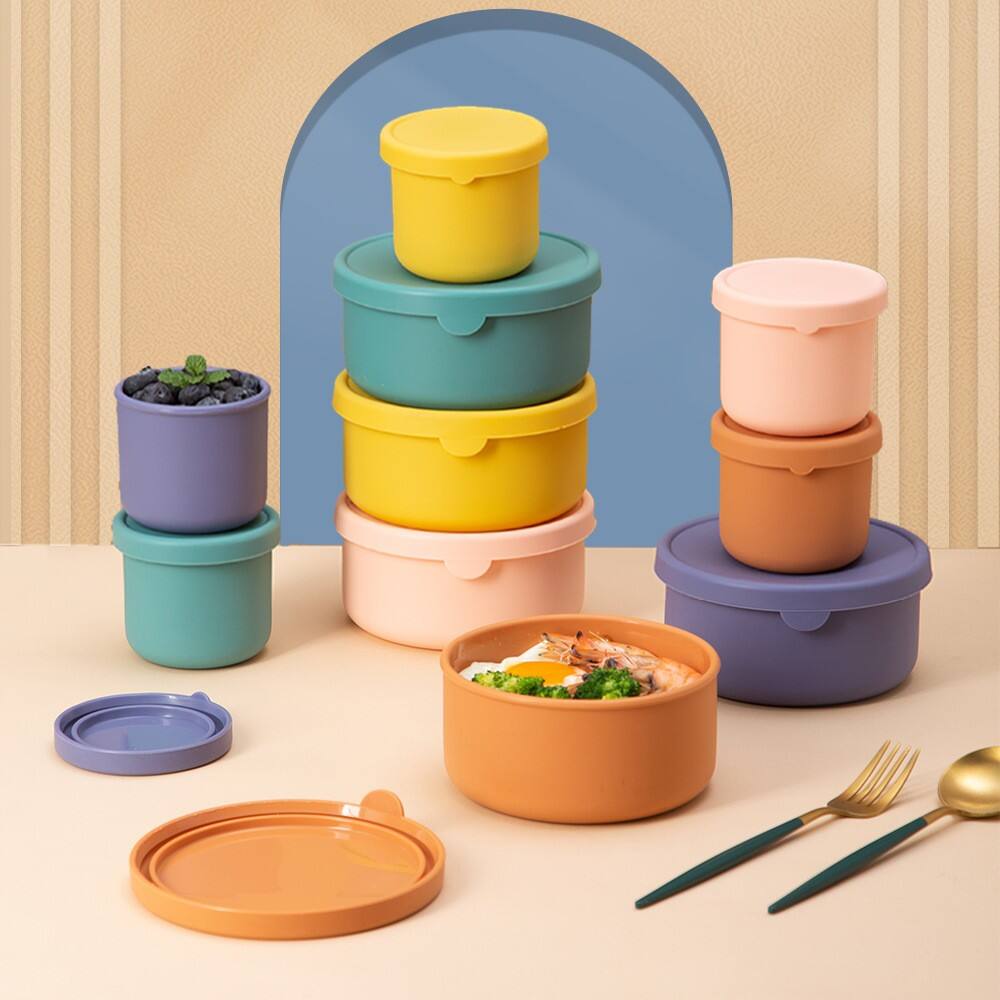
Airtight Sealing Performance in High-Volume Commercial Settings
Commercial-Grade Sealing Mechanisms vs. Consumer-Grade Designs
The commercial grade silicone containers come with stronger locking mechanisms and specially molded gaskets that can handle pressure differences between 20 to 30 PSI. This is way beyond what most consumer products offer. When it comes to build quality, there are several notable differences. The walls are much thicker at around 5 to 8 mm compared to just 2 to 3 mm in regular containers, making them stack better without tipping over. They also have those dual channel silicone seals that compress evenly all the way around, creating a much tighter seal. And according to tests published last year in Food Packaging Journal, these containers showed about 70% better seal retention after being put through rigorous stress tests. That means no moisture gets in or out, so ingredients stay fresher longer and aromas don't mix together when stored in bulk. Companies report seeing real savings from this improved performance too.
Silicone Gasket Integrity: Compression Set Resistance and Seal Longevity
The ability of seals to last over time really comes down to what kind of polymers are used in their formulation, specifically ones that can stand up against permanent shape changes. Take premium commercial grade silicone for instance—it manages to bounce back about 95% after sitting at 100 degrees Celsius for three full days as per ASTM D395 standards. Consumer grade products? They start breaking down pretty quickly once temperatures hit around 80°C. Why does this happen? Well, platinum cured silicones just handle oxidation better, plus they have that right balance of crosslinks which helps them remember their original shape. These materials work across quite a temperature range too, from minus 40 all the way up to 230°C. When manufacturers run those accelerated aging tests that simulate five years worth of wear and tear, commercial quality seals still perform at about 90% efficiency. That matters because restaurants and other food service operations spend roughly $740k every year replacing gaskets that fail prematurely, according to research published by the Ponemon Institute in 2023.
Food Safety, Hygiene, and Regulatory Compliance for Silicone Containers
FDA and LFGB Certification Requirements for Bulk Food Storage
When it comes to storing large quantities of food products, following regulations isn't optional but essential. Silicone containers used commercially need to comply with FDA regulation 21 CFR 177.2600 standards. This involves testing for substances that might migrate into food during contact at normal cooking temperatures. The European LFGB regulations actually set tighter restrictions than many realize, mandating tests specifically for heavy metals and other volatile chemicals in simulated food environments. Materials that don't meet these specs can release harmful chemicals when exposed to heat or acidic foods, which not only compromises food safety but also puts businesses at risk of hefty fines from regulators. Getting third party verification on all those certificates matters a lot these days because fake paperwork has become a real problem across international supply networks. Plus, genuine certified silicone has this smooth surface that doesn't absorb anything, making it much easier to keep different allergens separated since there are no tiny pores where contaminants could hide.
Non-Porous Surface Benefits: Microbial Resistance and CIP Compatibility
The dense molecular structure of silicone basically gets rid of those tiny pores where bacteria love to grow, cutting down biofilm formation by around 70% when compared to materials like plastic or wood according to Food Protection Trends from 2023. The smooth surface works really well with industrial cleaning systems known as CIP, standing up to harsh cleaners including chlorine solutions at 200 ppm concentrations. Metal containers often have threads on their lids or other nooks that trap germs, but silicone gaskets made as single pieces don't provide those hiding spots for microbes. Silicone can handle heat too, so it stays intact even after being autoclaved at temperatures reaching 135 degrees Celsius. All these properties help food processors meet HACCP standards and cut down on product recalls, especially important for facilities running at scale day after day.
Thermal Resilience and Mechanical Durability of Silicone Containers
Wide-Temperature Operation (−40°C to 230°C) in Chill-to-Oven Workflows
Silicone containers hold up really well when exposed to both very cold and very hot temperatures. They can go from being frozen solid at around minus 40 degrees Celsius all the way up to baking at about 230 degrees Celsius without any issues. This ability to move directly from freezer to oven makes food preparation much easier in professional kitchens. No need to transfer food between different containers which saves time, reduces the chance of cross contamination, and cuts down on extra work for staff members. Regular plastic or glass materials tend to crack or become brittle when frozen, while silicone stays flexible. At high temperatures, it doesn't melt, warp shape, or release harmful chemicals either. The reason behind this reliability lies in its strong molecular makeup that keeps performing consistently even after many cycles of heating and cooling. For restaurant operations where speed matters, this kind of durability translates into real world savings and fewer headaches during busy service periods.
Fatigue Resistance: Validated Lid Cycle Performance (ASTM D573)
According to ASTM D573 compression tests, commercial grade silicone lids can handle well over 10,000 compression cycles before showing much deformation at all, which means they keep their airtight seal even when pressure is applied for long periods. Rubber gaskets tell a different story though. The same Material Durability Report from 2023 found traditional rubber options start breaking down about 68 percent quicker under similar conditions. What makes silicone really stand out isn't just how long it lasts mechanically. Its non porous surface plays a big role too. Together these properties help maintain good performance over time while also keeping things hygienic, especially important for products used frequently throughout the day.
Table: Silicone Performance Benchmarks
| Property | Silicone Containers | Traditional Materials |
|---|---|---|
| Temperature Range | −40°C to 230°C | −30°C to 120°C |
| Compression Set Recovery | >90% after 5k cycles | <60% after 2k cycles |
| Microbial Resistance | Non-porous surface | Porous structure |
Operational Efficiency and Total Cost of Ownership
When assessing silicone containers, it's important to consider more than just what they cost at first glance. The real picture comes from looking at total cost of ownership, which includes how long they last, maintenance needs, labor involved, and how they affect day-to-day operations. Most commercial grade silicone products tend to stick around for anywhere between 5 to maybe even 10 years when used heavily, so we're talking fewer replacements overall. The surface doesn't absorb stuff easily, meaning it can handle tough cleaning protocols without breaking down, which means less time spent dealing with sanitation issues. Plus, those stackable designs aren't just convenient – they actually save space in warehouses and freezers, sometimes making room for about 40% more items. And since silicone isn't heavy, shipping them costs less money too. All these factors combined mean businesses often spend significantly less over time compared to using disposables or regular plastic options. Studies suggest somewhere around 30 to 50 percent savings when comparing over a five year period in places like restaurants and factories.
FAQ
What are the main benefits of using commercial-grade silicone containers?
Commercial-grade silicone containers offer improved sealing performance, better heat and mechanical durability, resistance to microbial growth, and compliance with food safety regulations, which lead to cost savings for food service operations.
How do silicone containers compare with traditional materials for food storage?
Silicone containers provide a wider temperature range for operation, a higher compression set recovery, and a non-porous surface for microbial resistance, making them superior to traditional materials like plastic and rubber.
Are commercial-grade silicone containers cost-effective?
Yes, they are cost-effective when considering the total cost of ownership, including their long lifespan, reduced maintenance needs, and operational efficiencies gained from their use.