
 EN
EN

Why Silicone Is the Undisputed Material Choice for Wholesale Pet Feeding Mats
Non-slip, waterproof, and hygienic advantages driving B2B buyer preference
Silicone pet feeding mats are taking over wholesale markets because they just work better in three key ways: they stick naturally to surfaces, keep everything contained when spilled, and stay clean longer. The material creates kind of a vacuum effect on most floors, which cuts down on slips and falls by around 78% compared to those cheap plastic mats we all know about from vet clinics and animal hospitals. Regular textured mats absorb liquids into their surfaces, but silicone is totally different since it's smooth and doesn't soak anything up at all. This means store floors stay cleaner and don't get warped or stained over time. What really matters though is how easy these things are to clean. They resist bacteria sticking to them and stop those nasty biofilms from forming, so a quick wipe with any disinfectant gets rid of messes without leaving smells behind. Retailers love this because it saves money on customer service calls and returns. According to recent surveys from pet product suppliers in 2023, almost 9 out of 10 businesses buying in bulk put these features right at the top of their request for proposal lists.
Durability and safety comparison: silicone vs. rubber, PVC, and TPE for long-term wholesale ROI
Silicone outperforms common alternatives across durability, safety, and maintenance—key drivers of wholesale ROI:
| Material | Avg. Lifespan | Toxicity Risk | Cleaning Efficiency |
|---|---|---|---|
| Silicone | 5+ years | None (FDA-grade) | 30-second wipe |
| Rubber | 2–3 years | Latex allergens | Scrubbing required |
| PVC | 1–2 years | Phthalates | Discoloration issues |
| TPE | 3–4 years | BPA concerns | Staining retention |
Silicone can handle multiple dishwasher runs, stays put under UV rays, and works fine from super cold –40 degrees all the way up to 400 degrees Fahrenheit without breaking down, warping, or losing its stretchiness. Rubber is different though it tends to break down when exposed to sunlight for too long, while PVC gets brittle and starts to crack once temps drop below 50 degrees. Looking at numbers from the latest Pet Product Durability Report in 2024, around two thirds of early replacements for rubber mats happen because they crack or warp over time. What does this mean practically? Silicone products last longer and save money in the long run. The math adds up too these items have about 42 percent more value over their lifespan compared to other materials on the market, making them a smarter investment despite sometimes higher upfront costs.
Regulatory essentials: FDA-grade, LFGB, and REACH compliance as non-negotiables for global wholesale
When products move around the world, they need to meet certain regulations that are pretty much non-negotiable. For the US market, getting FDA 21 CFR 177.2600 approval means something is safe to touch food. Over in Germany, there's another set of rules called LFGB that actually tests harder for things like heavy metals and chemicals. And then there's REACH SVHC which basically says no to those 223 really bad substances throughout Europe. Not following these rules can lead to serious problems. Last year alone, we saw customs throw back uncertified silicone mats at ports going up over 200%. The cost to fix these issues? Sometimes more than seven hundred forty thousand dollars according to Ponemon Institute research from 2023. Smart companies have started putting all their compliance papers right into QR codes on packaging so people can scan them easily. Retailers who check these details before stocking shelves tend to get their products onto store racks about 35% quicker at big pet stores across different countries including Fressnapf, PETstock, and Petco.
High-Demand Functional Designs in Silicone Pet Feeding Mats
Raised-edge containment and anti-slip bases: performance benchmarks validated by veterinary and retail partners
Silicone mats with raised edges make great spill-proof areas for feeding pets, keeping food and water contained so owners spend half as much time cleaning up after meals according to some vet studies. These mats also come with textured bases that grip the floor, stopping bowls from sliding around even when animals get excited during mealtime. Most vets we talked to last year said their clients really appreciate this feature. Stores report that these two benefits together cut down on complaints about stained floors by roughly 30 percent, which means many high end pet product lines now include such mats as standard offerings rather than optional extras. The good news is that silicone holds up well over time too. After countless washes in dishwashers or under running water, these mats keep their shape and stickiness without warping, breaking apart, or losing their effectiveness completely.
Integrated slow feeder and puzzle features: behavioral benefits and premium-margin differentiation
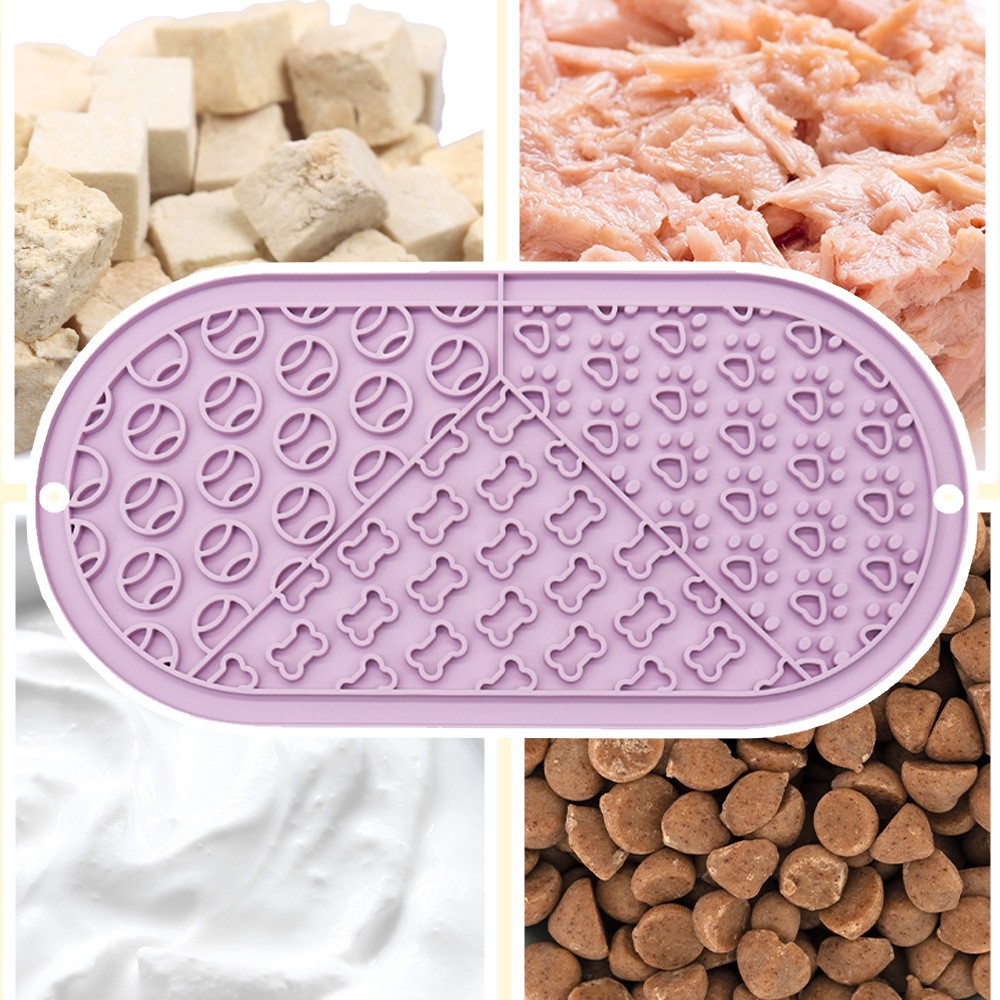
Silicone bowls with textured surfaces including maze patterns, concentric ridges, or those little puzzle-like wells actually change how dogs eat during mealtime. Studies on dog nutrition indicate that these special designs can cut down eating speed anywhere from about 40 to maybe even 60 percent. This slower pace helps reduce the risk of GDV, which is particularly important for certain dog breeds prone to this serious condition. Plus, the textures encourage natural foraging behaviors that many pet owners notice reduces anxious behaviors such as constant pacing around the house or destructive chewing habits. From a business standpoint, products with these features tend to command better prices at wholesale level, often giving distributors around 25 to 35 percent extra margin compared to standard bowls. The best part? These textures aren't just stuck on top but molded right into the silicone itself, so they stay intact after countless dishwasher cycles and maintain their hygienic properties while still providing real behavioral benefits for pets.
Sourcing Strategy: Partnering with Reliable Silicone Pet Feeding Mat Manufacturers
Audit-ready certifications (BSCI, ISO 9001), MOQ flexibility, and OEM/ODM scalability for distributors
Building reliable manufacturing relationships starts with documentation that stands up to scrutiny when needed. Look for suppliers who hold BSCI and ISO 9001 certifications these days. These aren't just fancy letters after a company name they actually show commitment to fair worker treatment, responsible environmental practices, and maintaining product quality standards. Getting these certifications helps avoid potential scandals down the road and makes it much easier to get approved by big retail clients who need proof through independent audits. What many businesses overlook is flexibility in order quantities. The best partners will let smaller distributors start with around 500 units to gauge market response before committing to larger batches of 5,000 or more. Customization options matter just as much. Can the supplier handle special requests like different color schemes, logo impressions, unique surface finishes, or specialized packaging for specific sales channels without charging extra for tool changes? Manufacturers investing in modular production lines have seen their turnaround times drop by approximately 30 percent according to recent industry reports, though implementing such systems does require upfront investment that smaller operations might find challenging initially.
Top Wholesale-Ready Silicone Pet Feeding Mat Segments by Channel
Dog bowl mats vs. treat/lick mats: demand drivers, pricing tiers, and placement logic across e-commerce, boutiques, and vet clinics
Silicone mats for dog bowls are basically the bread and butter of wholesale sales, making up around 70% of what gets sold overall. Retailers keep restocking them because every pet owner needs something for feeding time. These mats typically go for between $4 and $8 wholesale and do really well on fast-moving online platforms like Amazon, Chewy, or Walmart's website. Sellers bundle them with stainless steel bowls to boost the total value of each order. On the other hand, treat and lick mats cater to a niche market that focuses more on behavior issues. Veterinarians often recommend these for dogs dealing with anxiety problems, while specialty stores stock them for their unique look and feel. Priced higher at about $8 to $15 wholesale, these products work better in smaller quantities but fetch good prices when placed right. Smart distributors send regular bowl mats to big box stores and save the lick mats for vet offices, organic pet shops, and those fancy subscription boxes where customers expect both quality and style.
FAQ
What makes silicone pet feeding mats superior to plastic or rubber?
Silicone pet feeding mats are superior because they are non-slip, waterproof, and hygienic. They do not absorb liquids or stain easily and are resistant to bacteria growth, making them easy to clean with a simple wipe.
How long do silicone mats typically last?
Silicone mats have a lifespan of over 5 years, outperforming materials like rubber and PVC, which have much shorter lifespans.
Are silicone mats safe for pets?
Yes, silicone mats designed for pet feeding are usually made from FDA-grade silicone, which poses no toxicity risk to pets.
What are some benefits of integrating slow feeder features in silicone mats?
Silicone mats with slow feeder features help reduce fast eating, which prevents conditions like GDV. They also promote natural foraging behaviors, helping to curb anxiety and destructive chewing in pets.
Why are regulatory compliances important for silicone mats?
Regulatory compliances such as FDA, LFGB, and REACH ensure that silicone mats are safe and free from harmful substances, making them suitable for global wholesale markets.