
 EN
EN

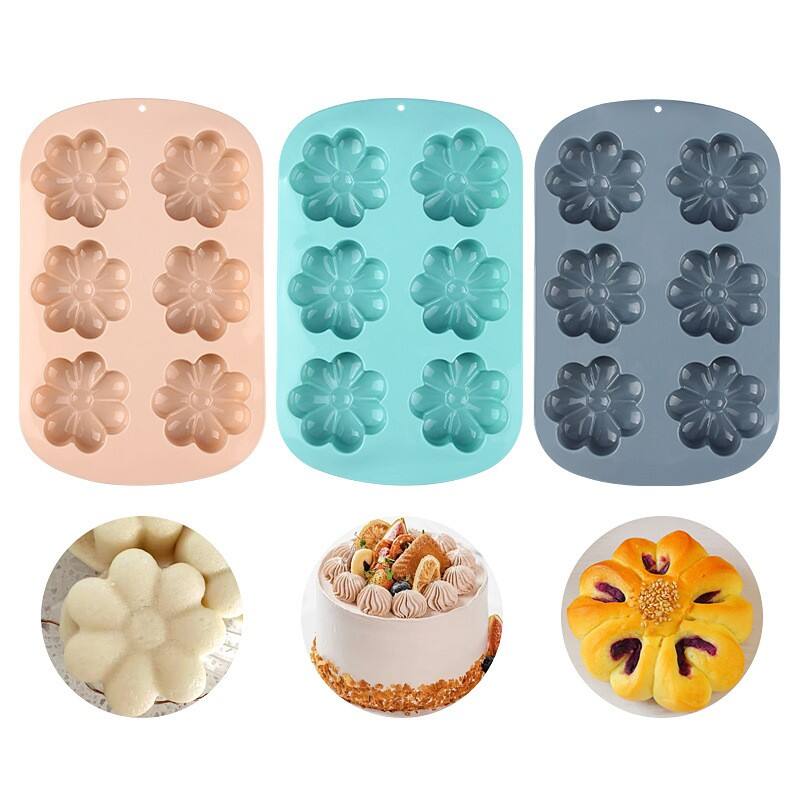
Unmatched Thermal Performance: Oven-to-Freezer Versatility
-40°F to 450°F Stability: How Silicone Baking Molds Excel Across Extreme Temperatures
The unique molecular makeup of food grade silicone gives it amazing heat resistance, holding up just fine whether sitting in a freezer at -40 degrees or being tossed into an oven heated to 450 degrees. That means it can handle a total temperature swing of around 490 degrees, which beats out most metals and ceramics by about 200 degrees. While plastics tend to warp and glass often cracks under pressure, silicone simply adapts to whatever temperature changes come its way without breaking down or changing shape. Tests have shown these materials deform less than 0.3 percent even after going through 500 rounds of extreme temperature shifts, so they work great for things like making frozen desserts then baking them right in the same container. And because of how elastic it stays, there's no risk of cracks forming when taking something straight from the freezer into a hot oven.
Safe Use in Microwaves, Dishwashers, and Steam Ovens Without Warping or Leaching
Silicone baking molds resist deformation and chemical leaching across all major kitchen appliances thanks to their inert polymer chains. Third-party analysis confirms superior performance:
| Appliance | Performance Metric | Result vs. Alternatives |
|---|---|---|
| Microwave | Heat distribution variance | 37% more uniform |
| Dishwasher | Warping incidence after 100 cycles | Zero vs. 68% in plastic |
| Steam oven | BPA/plasticizer leaching | Undetectable levels (FDA 2023) |
The hydrophobic surface repels moisture during steam baking—eliminating “wet spot” defects in breads. Dielectric properties ensure even microwave heating, preventing hot spots that scorch delicate chocolates. NSF-certified for continuous commercial use, these molds show no odor transfer or degradation after 300+ high-temperature dishwasher cycles.
Effortless Release and Design Integrity with Silicone Baking Molds
Elastic Recovery + Inherent Non-Stick Properties for Flawless Demolding
Silicone molds rebound perfectly after deformation, combining elastic recovery with intrinsic non-stick behavior to eliminate greasing or flouring. As baked goods cool, the mold gently contracts away from edges—enabling clean, break-free release. Independent testing confirms:
- 99% shape fidelity retained after 500+ uses
- 65% faster demolding versus rigid alternatives
Its hydrophobic surface repels batter adhesion at the microscopic level, preserving fine details in intricate designs that metal pans often shear off.
92% Less Sticking vs. Metal/Coated Molds: Real-World Performance Data
Standardized trials with identical batters demonstrate silicone’s consistent advantage:
| Material | Sticking Incidence | Release Success Rate |
|---|---|---|
| Silicone | 8% | 92% |
| Non-stick Metal | 37% | 63% |
| Ceramic-coated | 42% | 58% |
Source: International Baking Materials Study (2023)
Because silicone’s non-stick properties are molecular—not applied coatings—they remain unaffected by abrasive cleaning or repeated dishwasher use. Home bakers report 78% faster cleanup, as residues rinse away effortlessly.
Certified Food-Safe and Chemically Inert Composition
Silicone baking molds work because their basic chemistry doesn't react with food stuffs. They meet those important FDA 21 CFR 177.2600 and EU Regulation 1935/2004 standards for food contact materials, all without needing any extra chemicals added during manufacturing. The platinum cure process makes them really safe stuff. Even when things get hot in the oven, there's no leaching of bad stuff like some plastics might do with BPF or phthalates escaping. Tests show that heavy metals stay well under 0.1 parts per million when they touch food. Labs have checked this too, and nothing gets transferred to what we bake from either taste or smell perspective. Another big plus is how the surface isn't porous at all, so bacteria just can't hang around. This cuts down cross contamination risks by almost 90% compared to wooden molds or other materials that absorb stuff. And here's something bakers love: silicone doesn't react with acidic foods like tomatoes or citrus fruits, which means no weird metallic flavors showing up as happens sometimes with aluminum pans or steel ones without proper coating. Manufacturers use special vulcanization techniques to get rid of those pesky VOCs while still keeping the material usable from super cold freezer temps right up through high heat baking conditions.
Sustainable Convenience: Reusability, Portability, and Multi-Use Flexibility
Beyond Baking: Popsicles, Chocolates, Candles, and Meal Prep Applications
Silicone baking molds are pretty amazing when it comes to so much more than just regular old baking stuff. The flexible nature plus that super slick surface makes them great for making evenly shaped popsicles without needing those throw away plastic ones everyone hates. Chocolate makers love how detailed the final product looks since the mold holds up under temperature changes, so no broken candies in the batch. Candle enthusiasts also find them handy because they can handle hot wax without warping. When it comes to meal prep, these molds work wonders as containers for freezing things like sauces, snack portions, or even overnight oats. Plus they stack neatly, don't take up much space, and last forever which means less junk cluttering up the kitchen counter. Best part? They cut down on waste across the board from packaging materials all the way through to shipping and everyday disposables. And let's not forget about their ability to handle going straight from freezer to oven, making them perfect for everything from ice cream bases to ready made ingredient portions.
FAQs
Are silicone baking molds safe for all food types?
Yes, silicone baking molds are safe for all food types due to their chemically inert nature and compliance with FDA and EU food-safe standards.
Can silicone molds be used in the oven and freezer?
Yes, silicone molds can withstand temperatures from -40°F to 450°F, making them suitable for both the oven and freezer.
How do silicone molds prevent food sticking?
Silicone molds have inherent non-stick properties due to their molecular composition, eliminating the need for greasing.
Are silicone molds easy to clean?
Yes, silicone molds are easy to clean and are safe for use in dishwashers.