
 EN

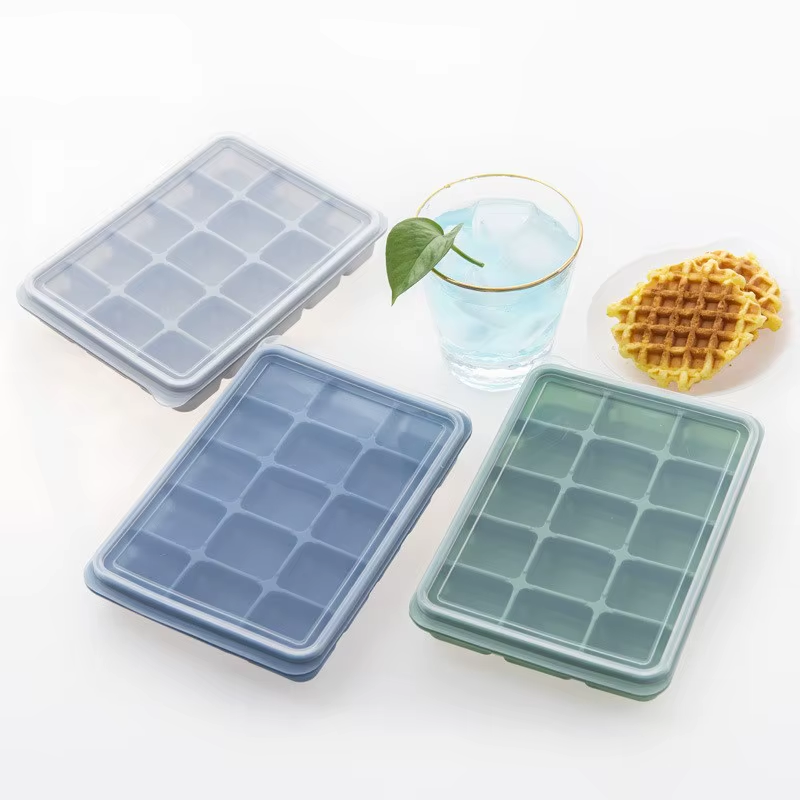
The Shift Toward Built-In Release Properties in Modern Bakeware
Food-grade silicone has completely transformed both commercial baking and home culinary arts, offering a brilliant alternative to heavy metal pans and brittle plastics. Valued for its incredible thermal resilience, flexibility, and non-toxic profile, silicone is now the go-to material for intricate pastry molds and chocolate crafting. However, anyone who has worked extensively with sticky sugar batters or high-protein mixtures knows that demolding can occasionally turn into a frustrating chore. To solve this persistent problem, innovative silicone mold manufacturers are now integrating advanced anti-sticking components straight into the liquid silicone rubber raw materials right at the start of production. This clever approach bakes permanent, effortless release traits directly into the molecular matrix of the mold itself, removing the need for messy cooking sprays and making everyday kitchen tasks much smoother.
Understanding the Surface Chemistry Behind Non-Stick Innovation
Creating a truly non-stick silicone surface without ruining the underlying material strength takes some serious polymer science and careful surface energy management. Traditional silicone naturally has a pretty low surface energy, but specialized anti-sticking additives completely change how the mold wall interacts with food products. By blending customized functional groups or internal release agents into the platinum-cure vulcanization process, makers build a microscopic shield that stops food from sticking at a molecular level. This sophisticated engineering means delicate caramel creations and detailed chocolate truffles slide out cleanly every single time, keeping sharp edges and shiny finishes intact without altering the taste or safety of the food. Best of all, this internal modification prevents stubborn residue from building up over months of heavy commercial use.
Factory Floor Realities and Practical Troubleshooting
Moving a clever lab formula into full-scale factory production is rarely a walk in the park, especially when dealing with advanced silicone formulations. During early trial runs with high-density anti-sticking additives, engineering teams often run into unexpected viscosity changes or uneven curing speeds during the thermal cross-linking stage. If an additive is mixed in too heavily, it can interfere with platinum catalysts, causing tacky spots on the mold surface or lowering tear strength. By carefully tweaking mixing ratios, optimizing injection pressures, and adjusting post-cure thermal treatments, production specialists manage to lock down the ideal balance between smooth release performance and long-term durability. This hands-on manufacturing reality proves a vital point: real innovation requires tight process control so that better release properties never compromise the heavy-duty lifespan professional kitchens demand.
Safety Standards and Regulatory Compliance Benchmarks
When dealing with items meant for direct food contact, safety, transparency, and strict regulatory compliance are absolutely non-negotiable. Global regulatory bodies enforce tight migration limits to make sure chemical additives never leach into food under hot baking conditions. Independent studies constantly show that platinum-cured food-grade silicone, when properly formulated with certified anti-sticking agents, easily meets or beats these international health standards. Thorough toxicological checks confirm that modern non-stick additives stay completely inert, non-toxic, and thermally stable, giving commercial bakers, food processing plants, and home consumers total peace of mind regarding daily food safety and kitchen hygiene.
Empowering Global Partners Through Hands Manufacturing Strength
Producing next-generation, anti-stick silicone molds on an international scale demands an unwavering commitment to precise engineering and reliable supply chains. Hands stands right at the forefront of this industrial movement, using advanced liquid silicone injection molding facilities alongside strict quality assurance checks. By developing custom raw material blends featuring cutting-edge anti-sticking components, Hands ensures exceptional batch consistency and high tear resistance across all product lines. Furthermore, supported by a strong and responsive global logistics network, Hands ensures secure, on-time deliveries to culinary brands, kitchenware distributors, and commercial bakeries everywhere, empowering strategic partners to upgrade their product portfolios with total confidence.
Commercial Value and the Future of Silicone Processing
Building anti-stick tech straight into raw silicone materials brings commercial advantages that go way beyond simple kitchen convenience. For large-scale bakeries and commercial food processors, cutting down on product breakage and dropping the need for messy chemical sprays adds up to major cost savings, less downtime for cleaning, and higher daily yields. As global demand for flawless, premium baking tools keeps climbing, manufacturers investing in advanced material science are set to capture major market share. Through ongoing formula innovation and dependable manufacturing leadership, Hands remains fully committed to shaping the future of silicone processing and delivering lasting value to partners all over the world.
Table of Contents
- The Shift Toward Built-In Release Properties in Modern Bakeware
- Understanding the Surface Chemistry Behind Non-Stick Innovation
- Factory Floor Realities and Practical Troubleshooting
- Safety Standards and Regulatory Compliance Benchmarks
- Empowering Global Partners Through Hands Manufacturing Strength
- Commercial Value and the Future of Silicone Processing