
 EN

Navigating the Sticky Realities of Heavy-Duty Baking in Modern Kitchens Everywhere
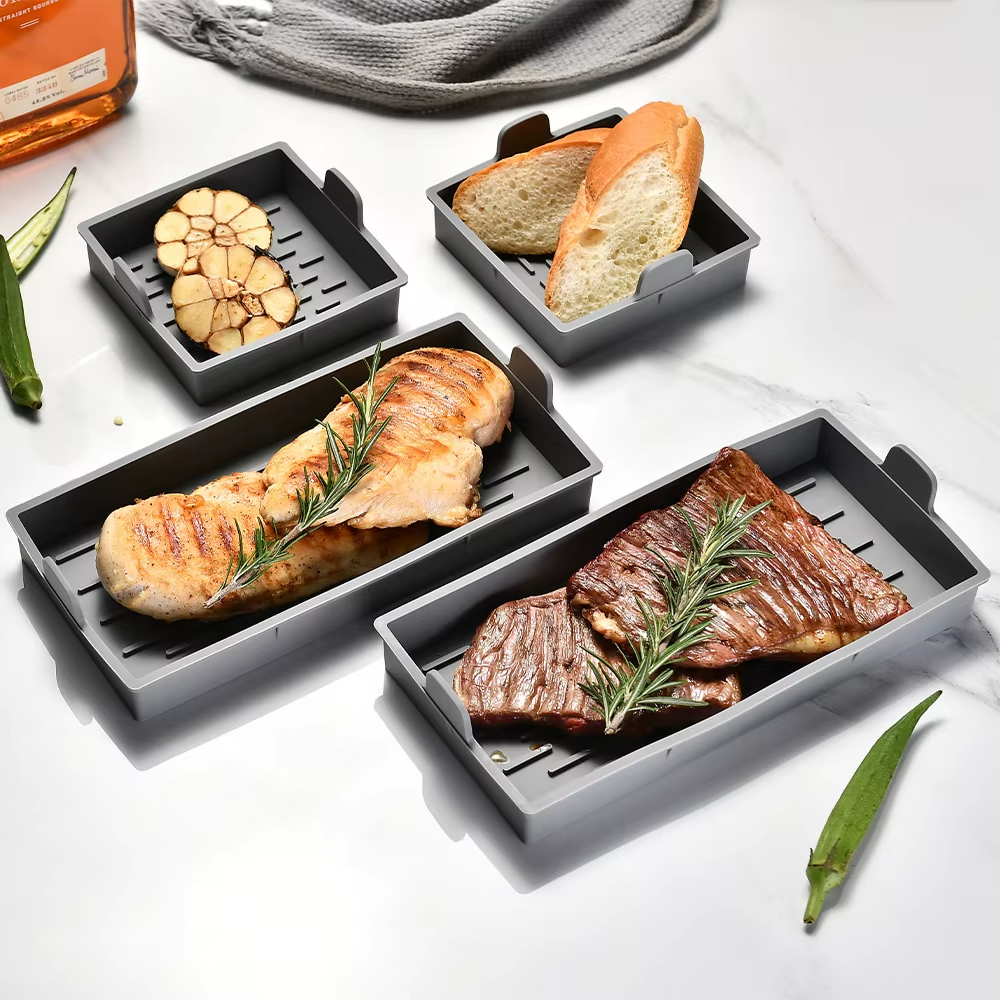
Baking rich pastries, savory casseroles, decadent cookies, and buttery treats brings immense joy to kitchens everywhere, but it always leaves behind a stubborn, frustrating challenge: greasy, baked-on food residues. Whether working in a bustling commercial bakery kitchen, managing a high-output restaurant prep station, or experimenting with new pastry recipes at home, dealing with heavy oils and fats clinging to bakeware can quickly become a major nuisance. Traditional metal pans, cast iron sheets, and coated aluminum trays often trap grease deep inside microscopic surface scratches, leading to stubborn oily films that require aggressive scrubbing with steel wool. Unfortunately, harsh scouring pads and strong chemical degreasers frequently strip away protective layers, leaving metal surfaces vulnerable to premature wear, oxidation, and chemical leaching. Transitioning to a flexible silicone baking mold completely changes this messy cleanup routine. By replacing reactive metals with resilient, inert polymer structures, bakers can effortlessly release oily foods without worrying about chemical breakdown, metallic aftertastes, or tedious scrubbing sessions. Mastering proper post-bake care ensures that high-performance kitchen tools remain immaculate, fresh, and ready for countless culinary creations in any demanding culinary environment across the globe.
The Fascinating Molecular Science Behind Silicone and Grease Adhesion Mechanisms
To truly understand how to care for advanced bakeware and extend its operational lifespan, looking closely at its underlying molecular makeup is essential. High-grade silicone features a robust, inorganic backbone built from alternating silicon and oxygen atoms, widely recognized in material science as strong siloxane bonds. This unique chemical architecture creates a naturally hydrophobic surface that actively resists moisture, cooking oils, and repels lipid molecules effectively. While this unique property prevents most sticky batters from adhering during the baking process, rich fats and heavy oils from high-calorie recipes can sometimes form a thin film if allowed to cool and polymerize directly on the surface over time. Unlike porous plastics or scratched aluminum that absorb oils permanently into micro-crevices, a premium silicone baking mold maintains its smooth, non-porous integrity across thousands of intensive baking cycles. Because of this structural stability, aggressive chemical solvents and abrasive scouring tools are entirely unnecessary. Utilizing gentle, natural fat-dissolving agents like warm water and eco-friendly dish soap breaks down surface tension efficiently without altering the underlying siloxane matrix, preserving the bakeware's structural resilience for years.
Step-by-Step Degreasing Protocols for Pristine Bakery Equipment and Tools
Achieving a spotless, residue-free finish after baking exceptionally greasy meals requires a systematic, thoughtful, and methodical maintenance routine. First, allowing the bakeware to cool down completely before washing prevents thermal shock and makes oil removal much simpler. Submerging the mold in a basin of hot water mixed with a concentrated, plant-based dish soap helps loosen trapped fats effectively. For stubborn, polymerized grease spots that resist basic soap, applying a gentle paste made from baking soda and warm water creates a mild, non-abrasive scrubber that lifts organic residues effortlessly without scratching or dulling the flexible surface. A thorough rinse with clean hot water completely washes away any lingering soap film. Furthermore, because top-tier silicone withstands intense thermal changes effortlessly, placing the silicone baking mold in the top rack of a residential dishwasher or sanitizing it with boiling water provides an exceptionally reliable method to eliminate residual odors and restore absolute surface hygiene across everyday kitchen operations and professional bakery workflows.
Maintaining Food Safety and Regulatory Compliance in Professional Kitchen Environments
When managing kitchen accessories that experience continuous thermal stress and direct food contact, upholding strict hygiene and material safety standards is paramount for consumer protection. Food safety experts and public health organizations consistently emphasize that routine maintenance protocols should never introduce harmful chemical residues into cookware. Leading international regulatory frameworks enforce strict chemical migration limits on food-contact silicone to ensure that materials never degrade or release unwanted substances when exposed to hot cooking oils, fats, and natural cleaning agents. Utilizing certified, food-safe cleaning practices guarantees that your silicone baking mold remains completely free of toxic residues, safeguarding household health and ensuring complete compliance with global food safety benchmarks across international borders. Maintaining total transparency regarding material safety builds unshakeable trust between discerning culinary professionals and the manufacturers who supply their daily tools in homes and commercial establishments worldwide.
Scaling Culinary Excellence Through Expert Manufacturing Partnerships and Supply Chains
Achieving uncompromised safety, exceptional durability, and flawless functional performance in high-grade silicone kitchenware requires sophisticated engineering expertise and robust production capabilities. This is precisely where industry leaders excel as trusted strategic manufacturing partners, providing comprehensive global supply chain services and custom production infrastructure. With extensive, long-standing expertise in custom silicone molding, precision compression techniques, and strict adherence to international quality standards including comprehensive factory audits, Hands delivers superior silicone baking mold solutions to leading retail and commercial brands across global markets. Whether a commercial enterprise requires custom cavity geometries, specialized color finishes, tailored branding, or comprehensive turnkey supply chain support, the dedicated in-house engineering and production teams ensure microscopic precision, industrial scalability, and uncompromising quality control from initial digital prototyping to high-volume mass production. Partnering with Hands empowers culinary brands to elevate their market portfolios with safe, innovative, highly durable, and market-ready silicone solutions that capture consumer trust worldwide.
Table of Contents
- Navigating the Sticky Realities of Heavy-Duty Baking in Modern Kitchens Everywhere
- The Fascinating Molecular Science Behind Silicone and Grease Adhesion Mechanisms
- Step-by-Step Degreasing Protocols for Pristine Bakery Equipment and Tools
- Maintaining Food Safety and Regulatory Compliance in Professional Kitchen Environments
- Scaling Culinary Excellence Through Expert Manufacturing Partnerships and Supply Chains