
 EN
EN

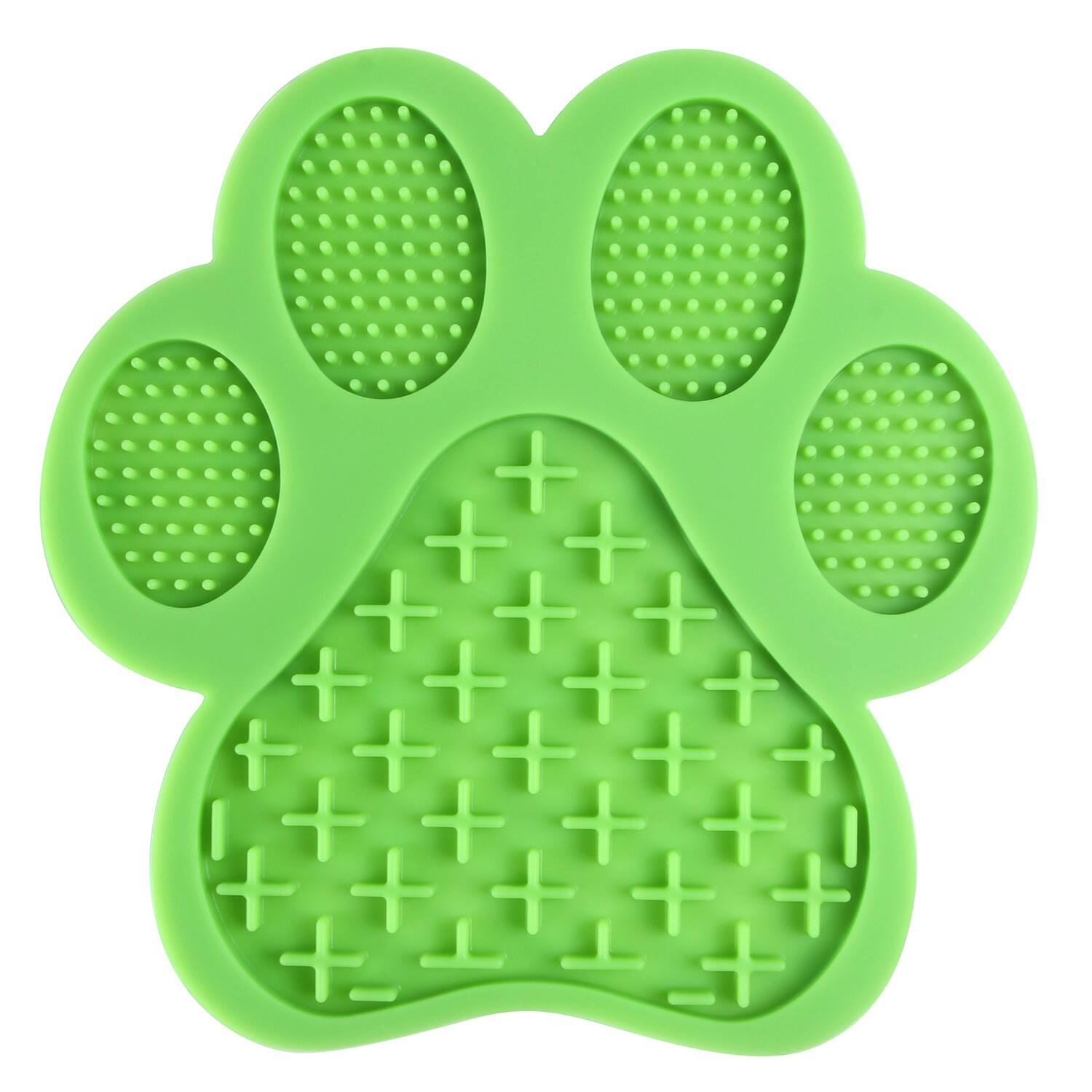
The Custom Silicone Design Process: From Concept to Validation
Why Most DIY Custom Silicone Projects Fail at Prototyping
Many DIY silicone projects end up failing when they reach the prototype stage, not because people aren't trying hard enough, but because they skip some basic checks that matter a lot. Hobbyists tend to overlook things like checking if materials work together properly and making sure the structure can hold up, which professionals would never miss since these tests prevent expensive mistakes later on. One big problem comes from poor mold prep work. When draft angles are wrong or walls have uneven thickness, about 40 out of every 100 first attempts just won't come out right. Most makers don't test their prototypes under actual conditions either. They miss seeing how the parts handle temperature changes, compression over time, or exposure to chemicals until after tools have been made, by which point fixing problems costs extra money. That's why going back and improving designs step by step makes such a difference. Otherwise small issues keep getting bigger instead of working themselves out.
The 5-Stage Iterative Loop: CAD †’ Mold Prep †’ Material Match †’ Test Molding †’ Validation
Successful custom silicone development follows a disciplined, closed-loop process:
- CAD Design: Precision 3D modeling that respects manufacturability constraints-not just aesthetics, but flow paths, gate locations, and demold geometry
- Mold Preparation: CNC-machined cavities engineered for uniform material fill and thermal stability, accounting for LSR™s low viscosity and high shrinkage
- Material Matching: Strategic selection between medical-grade LSR (ISO 10993 compliant), food-grade HTV (FDA 21 CFR 177.2600), or high-temp LSR (200°C+ continuous use), based on end-use requirements
- Test Molding: Small-batch runs under actual production conditions-same temperatures, pressures, and cycle times-to verify dimensional fidelity and surface integrity
- Validation: Performance benchmarking against application-critical standards, including biocompatibility (ISO 10993), extractables/leachables (USP <87>), and mechanical aging (ASTM D412, D2240)
Each loop integrates failure analysis-whether flash, short shots, or post-cure distortion-reducing defects by 67% across three iterations. This discipline avoids late-stage tooling modifications, a decisive factor in 78% of on-schedule deliveries.
Design for Manufacturability in Custom Silicone Production
Critical Geometry Rules: Wall Thickness, Draft Angles, Radii, and Parting Lines
Over 62% of first-run production failures stem from geometry oversights-not material or process flaws. Adhere to these core rules:
- Wall thickness: Maintain 1-3 mm uniformity. Thinner walls (<0.8 mm) risk incomplete fill and flash; thicker sections (>4 mm) invite sink marks and uneven cure gradients
- Draft angles: Apply 1-3° to all vertical surfaces. Below 1°, flexible silicone grips cavity steel; above 3°, part aesthetics and function suffer unnecessarily
- Internal radii: Minimum 0.5 mm radius at corners prevents stress concentration and premature fatigue-especially critical in dynamic sealing applications
- Parting lines: Position away from functional sealing zones or optical surfaces to minimize flash interference and post-process labor
These guidelines ensure predictable flow, consistent cure, and clean demolding-reducing mold maintenance costs by up to 40% in sustained production.
The Thin-Wall Paradox: Why Sub-0.5mm Walls Increase Flash Risk in Custom Silicone Molding
Most people would think thinner walls mean less flash, but actually going under 0.5 mm wall thickness makes flash problems worse instead of better. When parts get really thin, they need injection pressures above 120 MPa just to get filled properly. This forces the low viscosity liquid silicone rubber into those tiny gaps that are sometimes only 5 microns wide. What happens? Those annoying little fin shaped flashes keep appearing all over the place. Technicians spend extra time trimming them off, which bumps up labor costs around 35% per part. And there's another issue too. The different cooling rates between these super thin areas and thicker parts nearby create internal stress inside the material. This leads to warped parts, leaks in seals, or parts that just don't fit right when assembled. Especially important for things like medical equipment, fluid systems, or any application where reliability matters most. Stick with walls between 0.8 and 1.5 mm generally works best. Focus on good gate design rather than trying to push for extremely thin walls everywhere.
Selecting the Right Silicone Material for Your Custom Silicone Application
Medical-Grade, Food-Grade, and High-Temp LSR: Matching Material Properties to Use Case
Material selection isn™t a final step-it™s the foundation of safety, compliance, and longevity. Choosing incorrectly risks recalls, field failures, or regulatory rejection.
- Medical-grade LSR must meet ISO 10993 biocompatibility testing (including cytotoxicity, sensitization, and implantation studies) and withstand repeated sterilization (autoclave, EtO, gamma). It€™s non-negotiable for implants, catheters, and diagnostic seals.
- Food-grade silicone (HTV or LSR) requires FDA 21 CFR 177.2600 compliance and must resist hydrolysis, oils, and acidic foods without leaching volatiles or odor-critical for bakeware, infant feeding products, and food processing gaskets.
- High-temp LSR maintains mechanical integrity beyond 200°C continuously, with low compression set after thermal cycling-essential for automotive sensors, turbocharger seals, and aerospace connectors.
| Material Type | Key Requirements | Failure Risk if Mismatched |
|---|---|---|
| Medical-Grade | Biocompatibility, sterilization resistance | Toxicity, device malfunction |
| Food-Grade | FDA compliance, odor resistance | Contamination, degradation |
| High-Temp LSR | Thermal stability >200°C | Cracking, compression set |
Over 27% of silicone-related product recalls trace to material mismatch. Always validate certifications-and conduct accelerated aging tests (e.g., 7-day heat soak at 200°C) to confirm real-world behavior before committing to tooling.
Mold Design Strategies for Reliable Custom Silicone Parts
Injection vs. Compression vs. Transfer Molding: Choosing the Optimal Process for Your Geometry
The molding process must align with your part™s geometry, volume, and functional demands-not vice versa.
- LSR Injection Molding: Best for complex, high-precision parts (±0.05 mm tolerances), thin walls (‰¥0.8 mm), and volumes >50,000 units. Requires tight mold tolerances, heated manifolds, and precise metering/mixing-but delivers superior repeatability and surface finish.
- Compression Molding: Ideal for simpler, thicker-walled parts (‰¥3 mm), lower volumes (<5,000 units), or prototype validation. Lower tooling cost, but limited detail resolution and higher flash potential without generous drafts (‰¥3° recommended).
- Transfer Molding: A hybrid solution for medium-complexity parts in mid-volume runs (5,000-50,000 units). Offers better control than compression for features like ribs or shallow undercuts, with less waste than injection.
Flash avoidance starts with design-process alignment: sharp corners, insufficient draft, or poor parting line placement will undermine even the most advanced process. Analyze geometry first-then select the method that supports it, not the one that seems easiest.
FAQ
Why do DIY silicone projects often fail?
DIY silicone projects often fail due to skipped basic checks such as material compatibility and structural integrity, poor mold preparation, and lack of testing prototypes under actual conditions.
What are the critical geometry rules for custom silicone production?
Critical geometry rules include maintaining wall thickness between 1-3 mm, applying draft angles of 1-3 degrees, ensuring internal radii with a minimum of 0.5 mm, and positioning parting lines away from crucial areas.
What factors should be considered when selecting silicone materials?
Considerations for silicone material selection include ensuring biocompatibility for medical-grade applications, FDA compliance for food-grade applications, and thermal stability for high-temp uses.
What are the differences between injection, compression, and transfer molding?
Injection molding is suited for complex and high-precision parts, compression molding for simpler, thicker-walled parts, and transfer molding is a hybrid solution for medium-complexity parts in mid-volume runs.