
 EN
EN

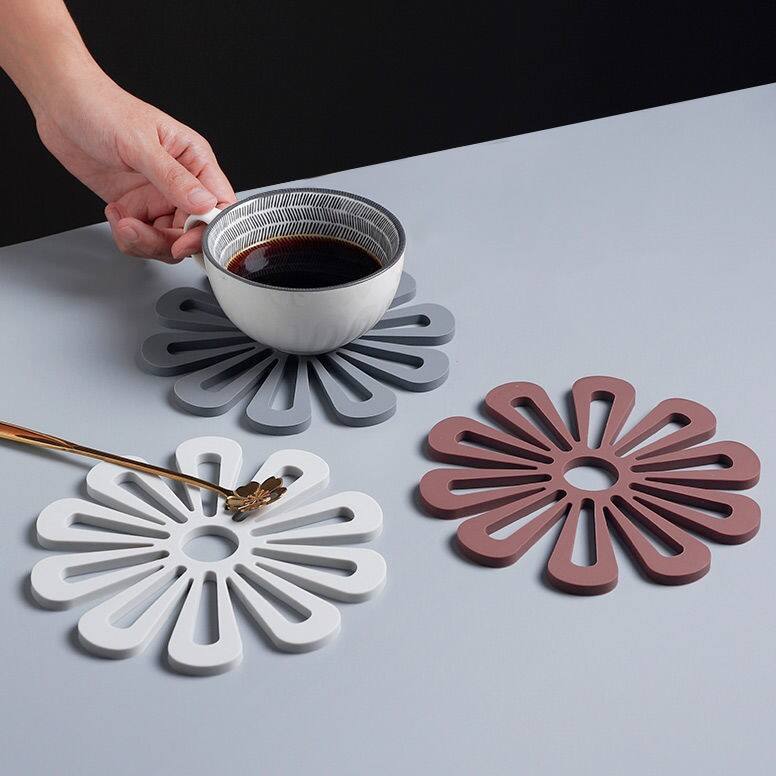
Heat Resistance Limits of Silicone Trivet Mats
Verified Maximum Temperature: ASTM D7975-17 Testing and Real-World 450°F Threshold
Tests in industrial environments show that good quality silicone trivet mats can handle temperatures as high as 450 degrees Fahrenheit (about 232 Celsius) when used continuously. The 450 degree mark has been checked against standards like ASTM D7975-17, which basically means these mats go through heating tests while people watch how they hold up structurally. What matters most is that this temperature limit actually matches what happens in real kitchens. Going beyond it tends to cause permanent damage to the material's structure. Most decent silicone retains around 97 percent of its strength even at 450 degrees, provided exposure doesn't last longer than half an hour. Cheaper non-reinforced versions might start to warp somewhere around 400 degrees though, which explains why better mats are made with higher crosslinking density. This makes all the difference between a trivet that lasts years versus one that gets tossed after a few months.
Why Duration Matters: Thermal Degradation vs. Instantaneous Exposure
How well something stands up to heat really comes down to how long it stays exposed rather than just looking at the highest temperature reached. A quick touch against cookware that gets up to 500 degrees usually doesn't do much damage, but when materials stay in contact with something around 400 degrees for longer periods, that's when problems start building up. The molecules begin breaking down over time through these oxidation reactions, which we see in lab tests showing about a 12 to 15 percent drop in flexibility each year for mats that get constant use. On the flip side, those short bursts of heat from hot pans lasting five minutes or less actually work with silicone's natural ability to handle sudden temperature changes thanks to its poor heat conducting properties (about 0.25 W/mK). If people want their mats to last and stay safe, they should look for ones rated to handle at least 450 degrees Fahrenheit and try not to leave them on heat sources for more than fifteen minutes straight.
What Determines the Heat Endurance of a Silicone Trivet Mat?
The thermal resilience of a silicone trivet mat hinges on its molecular architecture and manufacturing enhancements, which dictate performance under heat stress.
Silicon-Oxygen Bond Stability and Molecular Crosslinking
Fillers, Reinforcements, and Food-Grade Certification Impact on Performance
While pure silicone provides baseline heat resistance, strategic reinforcements elevate performance and safety:
- Thermal stabilizers, such as alumina trihydrate, delay oxidative degradation at extreme temperatures
- Mineral fillers (e.g., fumed silica) improve dimensional stability and uniform heat dispersion
- Platinum-cured catalysts ensure food-grade purity, eliminating toxic byproducts formed during peroxide curing
Mats certified to NSF/ANSI 51 standards undergo rigorous thermal stability and leaching tests. Uncertified alternatives—often peroxide-cured—degrade up to 30% faster under sustained heat and may off-gas volatile compounds when repeatedly heated near their 450°F limit.
Silicone Trivet Mat Safety Compared to Common Alternatives
Ceramic, Wood, Rubber, and Cork: Thermal Failure Points and Hazard Risks
Kitchen surfaces need good protection from heat damage, but many common options come with their own problems and risks. Ceramic can handle high temps pretty well, though it tends to crack when there's a sudden temperature change. Put a cold plate on a hot ceramic trivet and watch it split right open. Wood starts burning at about 400 degrees Fahrenheit, which makes it dangerous for long cooking sessions on the stove. Rubber isn't much better either, melting around 300 degrees and sometimes sticking to pots or counters while giving off bad smells. Cork burns at roughly 420 degrees, so it doesn't really protect against today's powerful induction cooktops. These are the main points where different materials fail under heat stress.
| Material | Failure Point | Primary Risk |
|---|---|---|
| Ceramic | 600°F+ | Cracking from thermal shock |
| Wood | ~400°F | Ignition/charring |
| Rubber | ~300°F | Melting/tissue adhesion |
| Cork | ~420°F | Combustion |
Non-Toxicity and Zero Off-Gassing: Why Silicone Stands Out Under Heat
Silicone trivet mats stay chemically stable even when exposed to temperatures as high as 450 degrees Fahrenheit (which is about 232 Celsius). They don't release any harmful substances either, something that has been confirmed through food grade testing standards like ASTM D7975-17. Rubber and plasticized vinyl products are different though. These materials often contain plasticizers that can leach out over time, plus they tend to emit gases when heated on stoves or in ovens. The silicone material remains stable regardless of how many times it comes into contact with hot pots and pans from the kitchen. Best part? There's no risk to indoor air quality or damage to surfaces where these mats sit for extended periods.
FAQ
What is the maximum heat resistance of a silicone trivet mat?
Good quality silicone trivet mats can withstand up to 450 degrees Fahrenheit continuously without permanent damage.
How does duration of heat exposure affect silicone trivet mats?
The ability to withstand heat is more about exposure duration than temperature, as long duration heat can cause more degradation than brief exposure to higher temperatures.
Why is silicone considered safer than other materials like ceramic or wood?
Silicone remains stable up to 450 degrees Fahrenheit, doesn’t off-gas chemicals, and retains its structure, while materials like wood and rubber may burn or melt at lower temperatures.