
 EN
EN

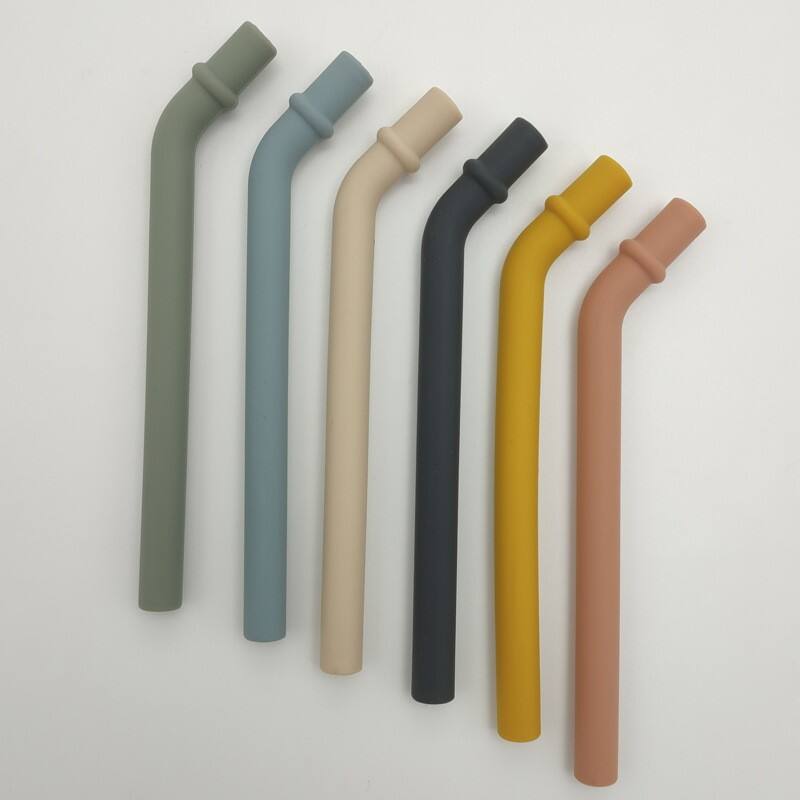
Toxicity and Regulatory Safety of Silicone Straws
BPA-Free Assurance and Chemical Leaching Resistance: What Lab Tests Show
Silicone straws made for food contact have been designed without BPA and those pesky endocrine disruptors we all hear so much about these days. Labs have tested them extensively, and what they found is pretty impressive. The material stays stable even when heated to around 220 degrees Celsius, which is way hotter than most people would ever expose their straw to. That means no worrying about toxins leaching into drinks. Regular plastic straws often contain stuff like phthalates or polyethylene, materials that can break down over time especially in things like citrus juice or soda. But silicone just doesn't seem to care about what kind of beverage it's in. Tests that simulated regular use over five whole years showed absolutely nothing migrating from the straw into whatever liquid was inside.
Food-Grade Certification Demystified: FDA, LFGB, and ISO 10993 Compliance for Silicone Straws
Three key certifications validate silicone straw safety:
| Standard | Focus | Key Requirements |
|---|---|---|
| FDA (Food and Drug Administration) | U.S. safety thresholds | Non-toxic materials; zero heavy metal leaching |
| LFGB (European Food Safety) | EU migration limits | Passes rigorous saliva, acid, and alcohol simulant tests |
| ISO 10993 | Biocompatibility | Hypoallergenic; no cell toxicity or irritation |
These protocols mandate third-party verification that silicone straws meet stringent biological safety thresholds—particularly critical for children’s products. Manufacturers must prove compliance through repeatable lab trials, ensuring no harmful byproducts form during sterilization or prolonged use.
Pediatric Safety: Chewability, Oral Health, and Developmental Fit
Gentle on Teeth and Gums: Evidence from Pediatric Dentistry on Silicone Straws
Silicone straws are really safe for kids' mouths, particularly when they're going through those tricky growing-up years. Many pediatric dentists have observed that these soft materials put around 40% less pressure on little gums compared to hard plastic options. This matters because it helps soothe sore spots from teething while avoiding those annoying scrapes inside the mouth that happen with stiffer materials. Parents often report better acceptance rates when switching from bottles to cups, plus there's just not as much redness around the gums. Another big plus is how silicone doesn't trap bacteria in tiny crevices like other materials might. The smooth surface stays clean longer, which supports good oral health overall. And despite being gentle on developing teeth, these straws still hold up well through all that chewing and sipping throughout the day.
Reduced Risk of Tooth Chipping vs. Hard Plastic or Metal Straws
Silicone straws offer important protection for kids' teeth because they bend instead of breaking. Kids' baby teeth actually have much thinner enamel than adult teeth, so they're about half as strong when something hits them suddenly. Metal or hard plastic straws just pass all that biting force straight to the teeth, but silicone works differently. When little ones chew on their straws (which happens a lot with toddlers), the soft material spreads out the pressure across its surface rather than concentrating it in one spot. Research shows children who use silicone straws get hurt about four times less often than those with regular straws. That makes silicone a much better option for protecting those still-developing smiles.
Durability and Real-World Usability for Children
Chew Resistance, Flexibility, and Longevity in Toddler Use Cases
What makes silicone straws stand out from most kids' products? They actually hold up against chewing! The food grade material stays strong even when little ones bite down hard, which matters a lot since toddlers go through phases of putting everything in their mouths. Tests show these straws can bend back and forth more than 1,500 times before showing any cracks, way better than regular plastic options. Plus, they won't snap into dangerous pieces but still feel soft enough not to hurt sensitive baby teeth and gums. Another plus point: silicone doesn't trap bacteria in tiny grooves like some materials do, so parents can safely clean them in the dishwasher or just boil them without worry. All these features mean they last much longer despite all the dropping, throwing around, and general mouth exploration typical of toddler life. Families switching to silicone save money long term too, needing replacements only about 42% as often as with plastic straws after two years of constant use.
FAQ
Are silicone straws safe for hot beverages?
Yes, silicone straws are safe for hot beverages as they remain stable even when heated to 220 degrees Celsius, far beyond usual consumption temperatures.
What certifications ensure the safety of silicone straws?
Silicone straws are certified by organizations such as the FDA, LFGB, and ISO 10993 which validate non-toxicity, biocompatibility, and compliance with stringent safety standards.
Why are silicone straws better for toddlers compared to plastic or metal straws?
Silicone straws are gentle on gums, minimize the risk of tooth chipping, and are durable enough to withstand chewing, providing a safer option for toddlers.
How durable are silicone straws?
Silicone straws can withstand being bent over 1,500 times without cracking, making them more durable than plastic options and less likely to break into harmful pieces.