
 EN
EN

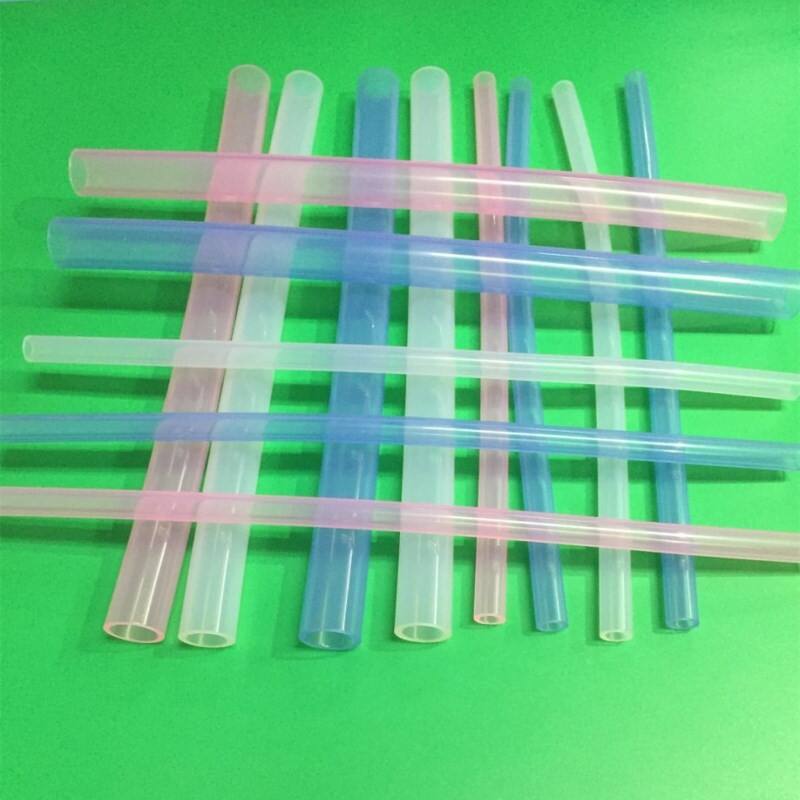
Life Cycle of Silicone Straws: From Production to Disposal
Life cycle assessment of silicone straws from production to disposal
A cradle-to-grave analysis reveals silicone straws require 14 MJ of energy per unit during production—more than plastic (2 MJ) or paper (8 MJ) alternatives. However, their reusability significantly offsets initial impacts. A 2024 comparative study in Polymers found silicone straws achieve carbon neutrality after just 12 uses compared to single-use plastics.
Carbon footprint of silicone straw manufacturing compared to plastic and paper
While silicone production emits 3.5 kg CO₂ equivalent per kilogram—triple that of plastic—their long-term use reduces cumulative emissions. When reused 100 times, a single silicone straw generates 89% less lifetime emissions than disposable plastic straws, based on life cycle inventory data from recent polymer research.
Energy and water use in washing reusable silicone straws over time
Daily dishwashing adds 0.07 kWh of energy and 1.2 liters of water per cleaning cycle. Over a 5-year lifespan with two washes per week, this totals 36 kWh—equivalent to charging a smartphone 3,000 times. Sustainability is maximized when straws are air-dried and washed in bulk with other utensils, reducing per-item resource use.
End-of-life disposal and recyclability of silicone straws
Less than 9% of silicone products are recycled globally due to limited access to specialized facilities. A UK-based manufacturer offers a straw-to-coaster recycling program using industrial depolymerization, but participation remains below 15%, according to 2023 surveys.
Comparing Straw Materials: How Silicone Stacks Up Against Plastic, Paper, and Alternatives
Environmental Impact of Plastic Straws and Marine Pollution
Even though plastic straws make up just 0.025% of all ocean plastic by weight, they somehow end up causing way more problems than their tiny percentage would suggest. These little things stick around for ages too - we're talking over 450 years before they finally break down. That's why they keep showing up everywhere in our oceans. The sad reality? Every year, somewhere between 1 and 2 million seabirds get killed after eating plastic waste, while around 100,000 marine mammals suffer the same fate. It's no wonder governments are taking notice. As of last year, 12 American states plus 127 nations across the globe have started banning plastic straws altogether. This wave of legislation shows just how serious people are getting about protecting marine life from these seemingly small but incredibly harmful items.
Biodegradable and Alternative Straw Materials: How Do They Stack Up?
While paper straws break down quicker than their plastic counterparts, recent research from the White House in 2025 revealed something concerning - about nine out of ten paper straws actually contain those harmful PFAS chemicals associated with issues like thyroid problems and even cancer risks. Glass and stainless steel options definitely avoid any chemical leakage concerns and these materials can stick around for many years. However there's a catch here since it takes between thirty seven to sixty three uses before the environmental benefits outweigh the initial carbon footprint created during manufacturing. Bamboo straws come from renewable sources but tend to develop mold pretty quickly and often crack after just a few months of regular use. Silicone seems to hit that sweet spot somewhere in between though. It holds up well over time while remaining flexible enough for most drinks without breaking down chemically which has been verified through various testing protocols conducted on different materials used in everyday products.
Lifespan and Durability of Silicone Straws vs. Metal, Glass, and Bamboo
Most people find that silicone straws can stick around for about 2 to 5 years if used every day, which beats bamboo straws that tend to wear out after just 6 to 12 months. They hold up pretty well against metal ones too when properly cared for. What makes them stand out from glass? Well, they won't break into pieces like glass does, plus they handle really cold or hot drinks without cracking. The temperature range these things can handle goes all the way from super freezing at minus 40 degrees Fahrenheit up to something like 428 degrees Fahrenheit. But there's a catch worth mentioning here. Because of their soft feel, these straws need some serious scrubbing to keep bacteria from forming on those crevices over time. That's actually a problem when compared to metals that are much easier to clean thoroughly. Families with kids or anyone who travels a lot might appreciate how flexible silicone is though. It bends instead of snapping, so fingers aren't as likely to get hurt during accidents. Safety wise, this makes them better than those stiff plastic or stainless steel options many folks still reach for.
Reusability and Real-World Sustainability of Silicone Straws
Consumer Behavior and Acceptance of Eco-Friendly Straws
According to a 2023 Green Products Survey, 59% of consumers now carry reusable straws regularly. Usage varies by age: younger adults (18–34) report three times higher daily use than older groups, highlighting generational differences in sustainability habits.
Frequency of Use Needed for Silicone Straws to Outperform Single-Use Alternatives
A 2022 University of Michigan lifecycle analysis found silicone straws must be used 150+ times to offset their production footprint compared to plastic. The break-even point drops to 40 uses versus paper straws, largely due to paper’s high embedded water consumption (8.5 liters per 1,000 units).
Hygiene Concerns and Maintenance Practices Affecting Long-Term Reusability
Biofilm formation is the primary reason users abandon silicone straws:
- 68% discontinue use within six months due to perceived cleaning difficulty
- Proper care—brush cleaning and weekly boiling—reduces bacterial contamination by 94% (Food Safety Journal 2023)
Without consistent maintenance, even durable materials lose real-world sustainability advantages.
Controversy Analysis: Do Reusable Straws Actually Reduce Waste in Real-World Settings?
While one silicone straw could theoretically replace 584 single-use plastics annually, behavioral patterns limit impact:
- 23% of purchased reusable straws remain unused (Circular Economy Institute 2024)
- Only 1 in 10 consumers reaches the 150+ use threshold for carbon neutrality
Current data suggests reusable straws reduce plastic waste by just 10% compared to ideal projections, underscoring the need for better education and design improvements.
Silicone Straws and Marine Ecosystems: Reducing Plastic Pollution?
Marine Pollution Caused by Plastic Straws and Policy Responses
Plastic straws are consistently showing up as one of the top ten trash items during beach cleanups around the world. They account for somewhere between 8 to 12 million metric tons of plastic waste that ends up in our oceans each year. When marine life ingests these straws, it often leads to deadly blockages in their digestive systems. According to Ocean Conservancy's research from last year, this happens to about seven out of every ten animals impacted by plastic pollution. The problem has gotten so bad that more than thirty different countries plus over 150 American cities have actually put restrictions on plastic straws since the beginning of 2023. Take California for example - their Single-Use Plastic Reduction Act passed back in 2022 really made a difference. Within just eighteen months, they managed to cut down statewide plastic straw consumption by almost ninety percent thanks to fines for retailers who kept selling them and various awareness campaigns aimed at changing consumer habits.
Potential for Silicone Straws to Reduce Plastic Leakage Into Oceans
When consistently reused, silicone straws eliminate single-use waste streams. One straw can replace approximately 584 plastic straws over two years while generating 86% fewer microplastics. Food-grade silicone resists UV degradation and saltwater corrosion, meaning accidental ocean entry poses lower ecological risks than conventional plastics.
Case Study: Cities and Businesses Switching to Silicone Straws – Measurable Outcomes
In 2023, Portland, Oregon made it mandatory for all restaurants and cafes to switch to reusable straws instead of single-use plastic ones. The city saw amazing results too - they cut down their yearly plastic straw waste by around 72%, which equals about 22 tons saved just six months after implementation. Big hotel groups are also reporting high satisfaction rates from guests who comply with these reuse rules. One major chain says 92% of their customers go along with the policy, saving approximately 1.2 million plastic straws every month across their properties. Meanwhile down in Florida's coastal areas, resorts have noticed something pretty significant happening at the beaches. After making the switch to silicone alternatives, there's been roughly a 40% drop in plastic straw litter washing up on shorelines. And interestingly enough, local wildlife rescue organizations are seeing fewer cases where animals get injured by plastic straws stuck in them.
Future Trends in Sustainable Straw Innovation Beyond Silicone
Emerging Materials and Designs Aiming to Surpass Silicone in Sustainability
Researchers working on eco-friendly alternatives have come up with some interesting developments lately. Seaweed based straws that break down within just 45 days are being tested alongside rice husk materials which need about 60 percent less water during production than traditional silicone products. There's also progress happening with PLA bioplastics these days. They can now withstand temperatures around 85 degrees Celsius, which fixes one big problem many people had with existing biodegradable materials not holding up well when hot drinks were involved. Another exciting area involves edible straws crafted from cassava starch mixed with algae coatings. Early tests suggest these could cut down on harmful effects to ocean life by nearly 92% compared to regular silicone straws according to some recent findings published last year.
Projected Environmental Footprint of Single-Use vs Reusable Straws by 2030
Right now, reusable straws need to be used around 180 times just to balance out the environmental cost of making them. But things are changing fast thanks to greener manufacturing techniques, so we might see that number drop down to about 120 uses by 2030. According to the latest Sustainable Materials Report from 2024, single use plastics are projected to make up nearly a third (28%) of all ocean plastic trash in three years time. However, if more people start switching to options like silicone or compostable materials made from mycelium or even stuff left over from farming operations, this percentage could actually fall dramatically to just 9%. What's really exciting is these new approaches might reduce greenhouse gases at the end of their life cycle by as much as 72% when compared with how we recycle regular silicone today.
FAQ Section
What is the energy requirement for producing silicone straws?
The production of silicone straws requires 14 MJ of energy per unit, which is higher than plastic (2 MJ) and paper (8 MJ) straws.
How does the carbon footprint of silicone straw manufacturing compare to plastic and paper straws?
Silicone straws emit 3.5 kg CO₂ equivalent per kilogram, which is triple the emissions of plastic. However, long-term use reduces cumulative emissions significantly.
How does regular dishwashing affect the sustainability of silicone straws?
Daily washing adds 0.07 kWh of energy and 1.2 liters of water per cycle. Sustainability is improved when straws are air-dried and washed in bulk with other utensils.
How recyclable are silicone straws?
Globally, less than 9% of silicone products are recycled due to limited specialized facilities. Some manufacturers offer recycling programs, but participation is often low.
What are the environmental benefits and drawbacks of silicone compared to other materials like metal, glass, or bamboo?
Silicone is long-lasting and flexible, avoiding chemical breakdowns. However, it requires thorough cleaning due to potential biofilm formation.
What impact does consumer behavior have on the effectiveness of reusable straws?
While silicone straws can reduce waste, behavior patterns limit effectiveness. Many consumers do not use them enough to offset their production footprint.
How can silicone straws help reduce marine pollution?
Silicone straws reduce single-use waste and generate fewer microplastics. They resist UV degradation and saltwater corrosion, posing less ecological risk.
Table of Contents
- Life Cycle of Silicone Straws: From Production to Disposal
- Comparing Straw Materials: How Silicone Stacks Up Against Plastic, Paper, and Alternatives
- Reusability and Real-World Sustainability of Silicone Straws
- Silicone Straws and Marine Ecosystems: Reducing Plastic Pollution?
- Future Trends in Sustainable Straw Innovation Beyond Silicone
-
FAQ Section
- What is the energy requirement for producing silicone straws?
- How does the carbon footprint of silicone straw manufacturing compare to plastic and paper straws?
- How does regular dishwashing affect the sustainability of silicone straws?
- How recyclable are silicone straws?
- What are the environmental benefits and drawbacks of silicone compared to other materials like metal, glass, or bamboo?
- What impact does consumer behavior have on the effectiveness of reusable straws?
- How can silicone straws help reduce marine pollution?