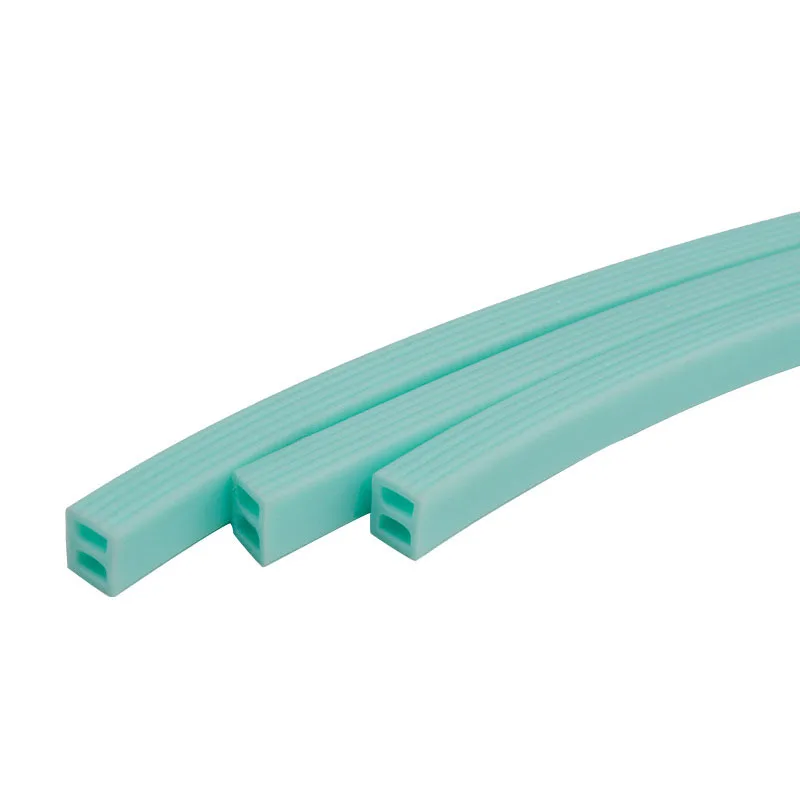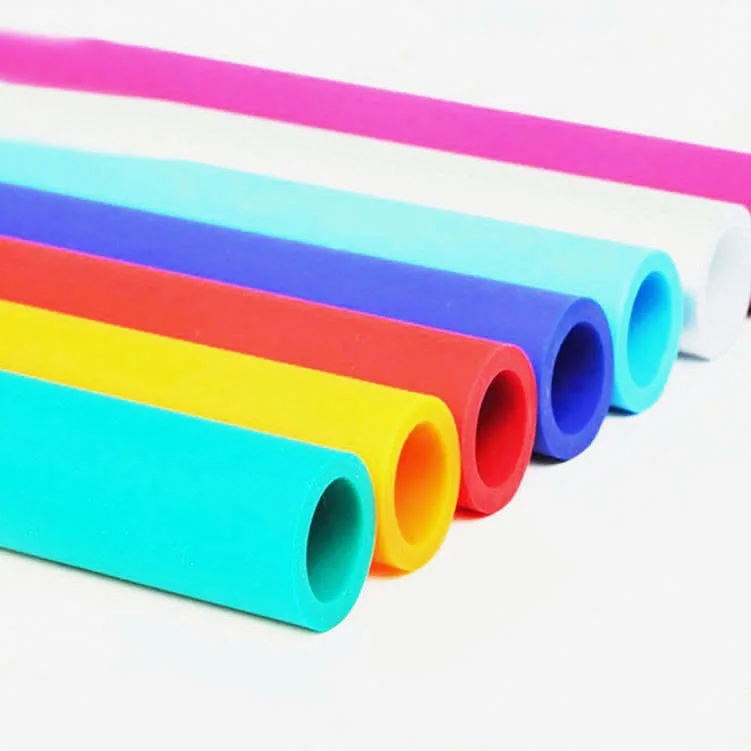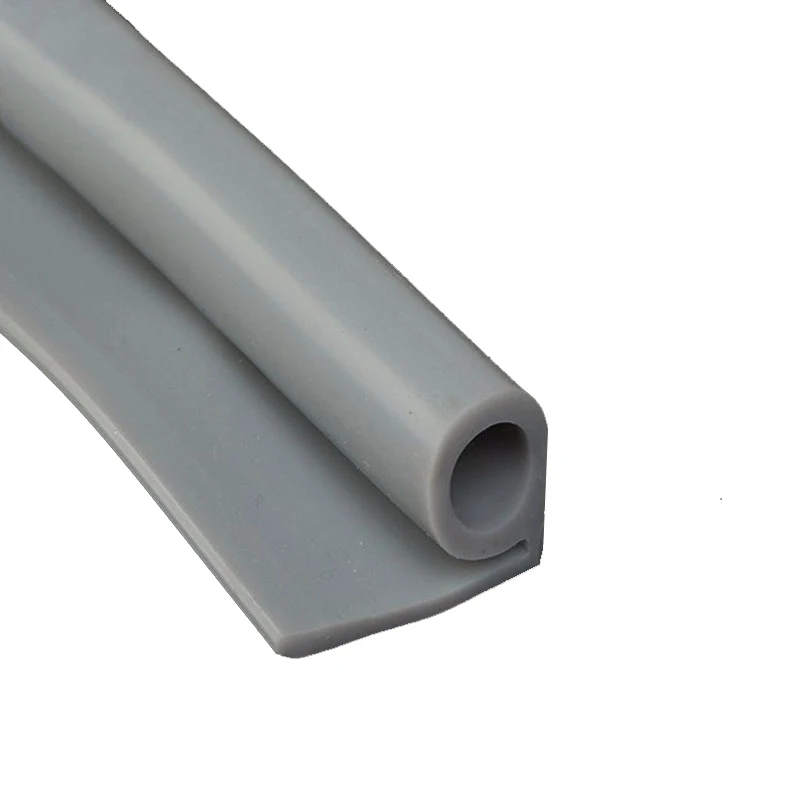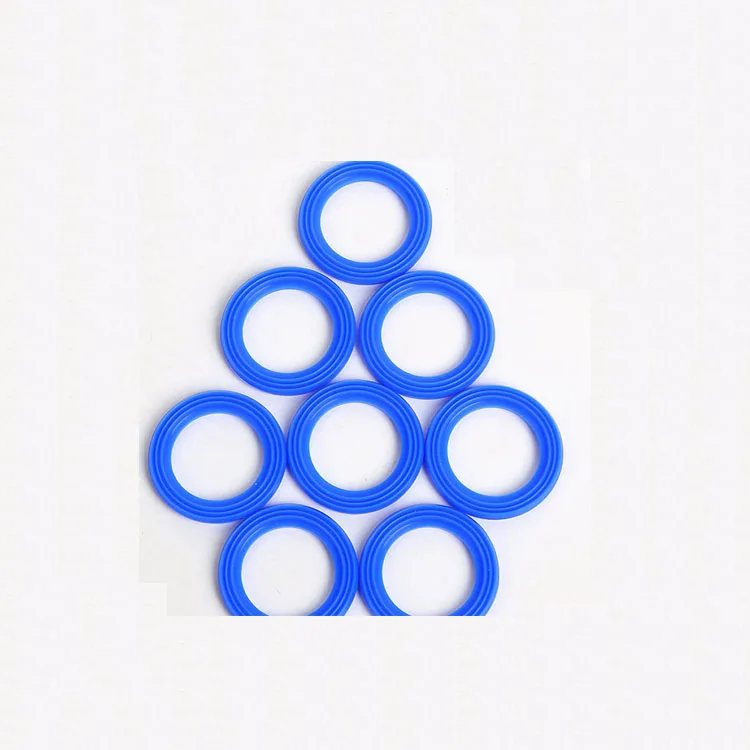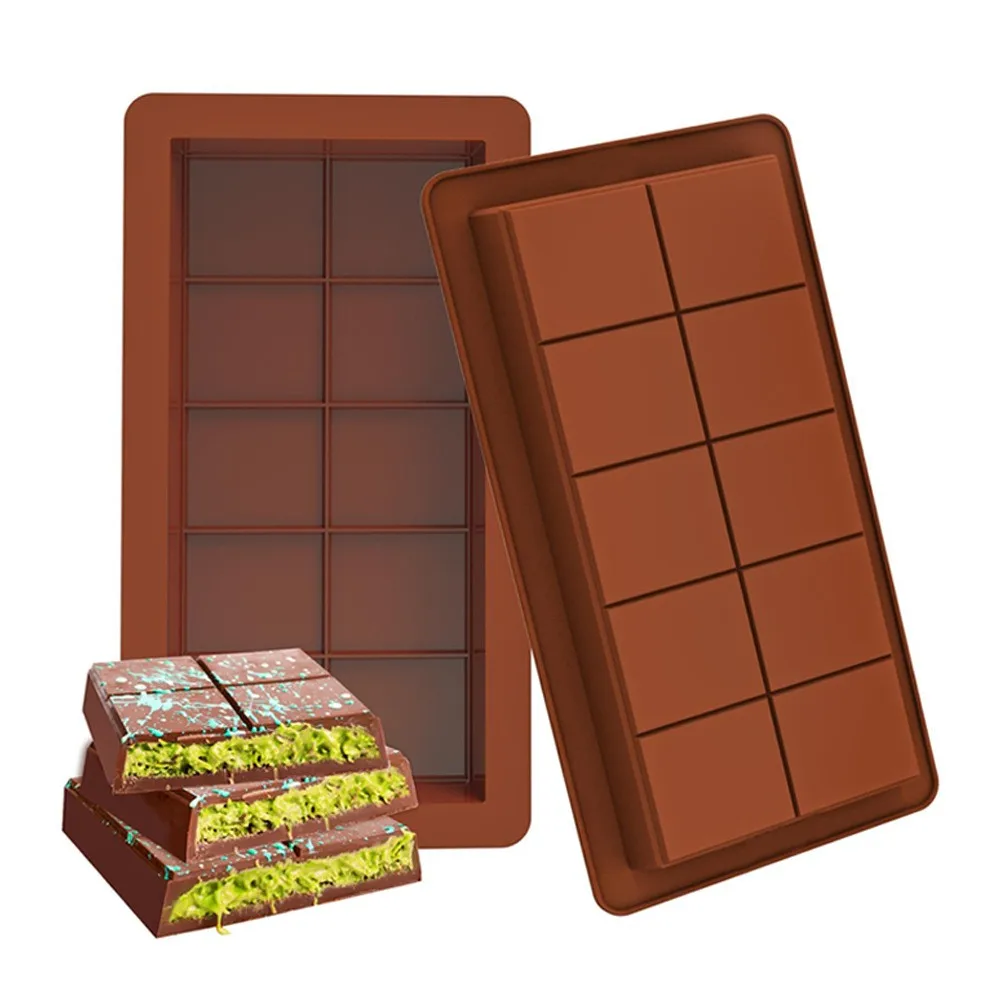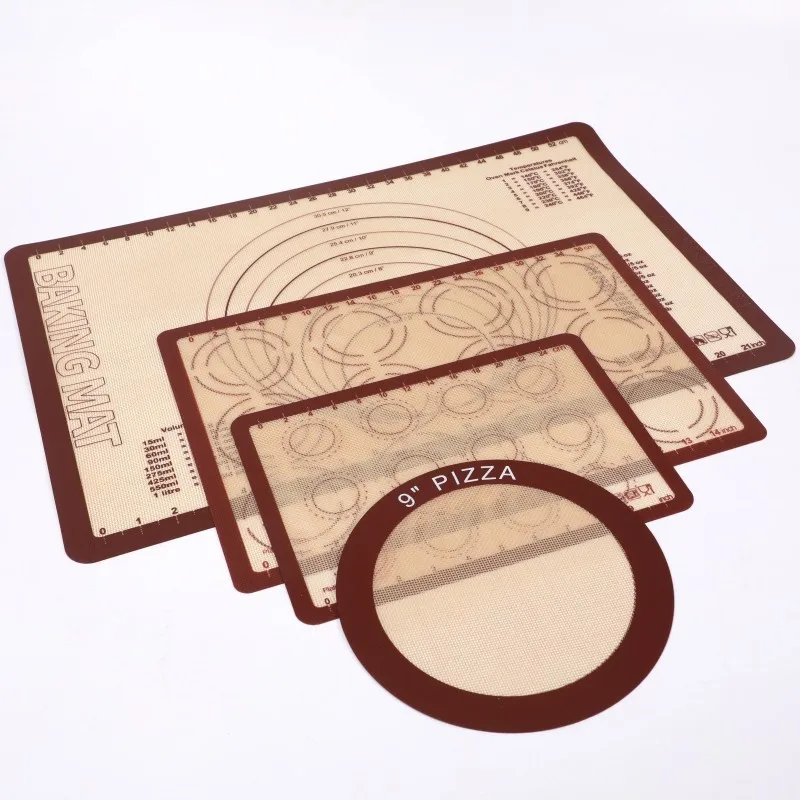
Silicone’s unique combination of elasticity, thermal stability, and food-grade safety makes it the only material capable of reliably producing intricate, high-fidelity ice shapes—sharp stars, delicate snowflakes, precise hexagons, and even detailed skulls—that rigid plastic trays simply cannot replicate without distortion or breakage.
The Shore hardness of silicone between 50A and 60A gives it that sweet spot where it bends easily when removing parts but still holds intricate shapes despite heat changes. What makes silicone really stand out is how stable it stays through extreme temperatures, working well from freezing cold at around minus 40 degrees all the way up to nearly 230 degrees Fahrenheit without getting warped after multiple freezes and thaws. Because of these properties, silicone molds require about 40 percent less force to eject finished products than stiffer materials do. This means details stay sharp and accurate even on complicated designs such as those hexagon patterns or skull shapes with lots of facets. For bars serving drinks at home or in commercial settings, maintaining those fine details matters a lot for presentation quality.
Food grade silicone just doesn't stick like those coated plastics or metals do, even when things get really cold down at around minus 40 degrees Fahrenheit. The way it's made gives it this special surface texture between 0.8 to 1.2 microns roughness that stops stuff from getting sucked onto it. Most people don't realize this but studies show that about two thirds of all problems releasing frozen items happen because of this suction effect. What does this mean practically? Well, think about delicate shapes coming off surfaces without damage. Those intricate snowflake designs keep their fine details instead of breaking apart. Textured balls come out whole and round. Even complicated shapes like skulls with hollow interiors pop right off without needing any tapping, twisting around, or pouring hot water over them to loosen things up.
Silicone has really opened up new possibilities for designing freezing tools at home and in businesses. We can now create all sorts of shapes - think about those cool geometric ones like spheres, hexagons, and diamonds, plus fun themed stuff such as stars, skulls, even pineapples. The material stays flexible even when super cold, so whatever we make comes out perfectly each time without sticking. People are definitely noticing this change too. According to some recent research from the Beverage Industry Trends Report in 2023, around two thirds of folks who love drinks want specialty ice instead of regular cubes these days. Let's talk numbers for a second. Ice balls actually last about 30 percent longer than normal cubes, which makes them great for drinking whiskey straight up. And get this, those hollow skull molds work wonders for cocktails where the alcohol is the main event because they chill things down faster. What stands out most though is how well silicone holds its shape during freezing. Unlike other materials that crack or break, it keeps those sharp corners and clean lines intact, something many traditional options just can't manage.
Choosing the right shape hinges on three interrelated factors:
The shrinkage rate of premium silicone stays below 1.5%, which means products maintain consistent size from one batch to another something really important when controlling dilutions accurately. Hexagonal designs offer a nice middle ground they look good, can be stacked neatly, and stay stable even when heated. Shapes with themes definitely enhance the user experience, though they tend to melt quicker because they have more surface area exposed. Whether these special shapes work well or not comes down to how well the silicone releases without warping. And let's face it nobody has managed to make rigid materials do this reliably yet.
When creating custom silicone trays, the process typically starts with detailed 3D prototypes. Engineers check things like how thick the walls need to be, how deep the cavities should go, and what angle drafts require so everything freezes properly and comes out cleanly from the mold. Silicone works really well across temperatures ranging from super cold at -40 degrees Celsius all the way up to hot 230 degrees Celsius. That makes it great for precision injection molding when using those special platinum cured formulas. We can get incredibly accurate results down to fractions of a millimeter on intricate parts such as tiny star shaped tips or even detailed skull eye sockets. What sets silicone apart is this amazing ability to maintain shape and detail over time. Plastic trays tend to warp eventually because they contract unevenly when heated and cooled repeatedly, which causes those lovely little details to disappear after only a handful of uses.
Elasticity makes things easier to release from molds, but when flexibility isn't properly controlled, it actually hurts how well products perform over time. Most quality manufacturers work with materials that have a hardness rating between 50 and 60 on the Shore A scale while adding internal support structures to maintain their original form. Tests show that these standard grade trays keep their shape even after going through hundreds of freeze-thaw cycles in real world conditions. The cheaper options made with softer material (anything below 40 Shore A) start to warp noticeably after only about fifty cycles though. We've seen this cause problems like distorted company logos printed on them, fuzzy details on those cute character shaped molds, and all sorts of issues when trying to stack multiple trays together. Getting this right matters for everyone from baristas making specialty coffee drinks to people throwing elaborate themed parties at home. A good silicone tray should keep working properly no matter how many times it gets used, washed, frozen, and thawed again.
Silicone is preferred for its elasticity, thermal stability, and non-stick surface. It allows precise mold release without damage and can handle extreme temperatures without warping.
Silicone’s unique properties, including its Shore hardness, allow for less force in ejecting finished products, thus maintaining intricate details in ice shapes without distortion.
Silicone trays offer versatile shapes, longer-lasting ice balls, rapid-chill for cocktails, and minimal shape distortion compared to rigid plastics.
Manufacturers use detailed 3D prototypes and precision injection molding to create accurate and consistent shapes in silicone trays.
 Hot News
Address: 567-3 Tong Fu Road, Tong An,Xiamen, 361100, China
Copyright © 2025 by Xiamen Hands Chain Silicone Co.,Ltd Privacy Policy
 EN
EN