
 EN
EN

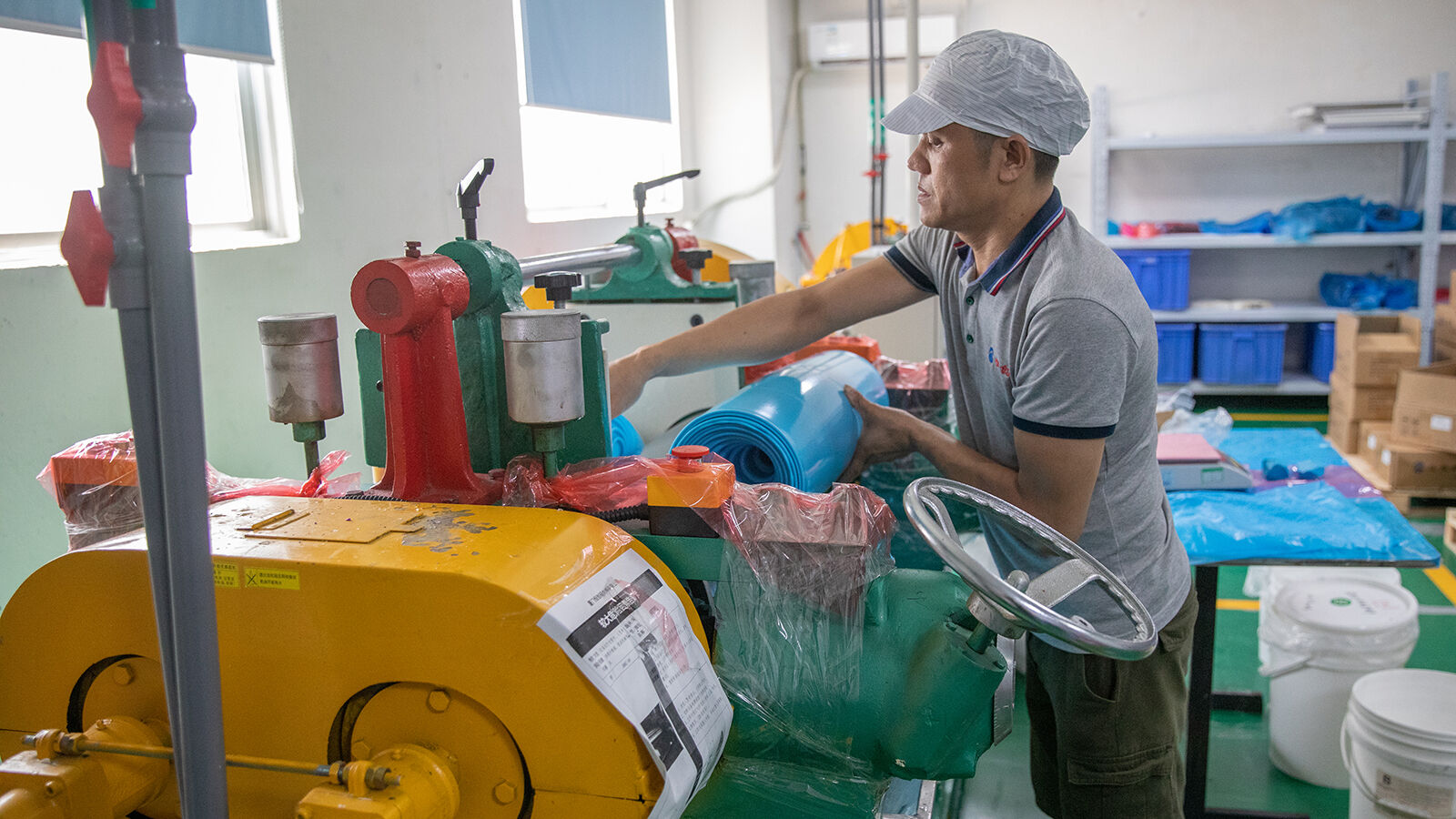
ISO 9001 و ISO 14001: چارچوب بنیادین کیفیت و پایداری
چرا گواهینامه ISO 9001 برای تضمین کیفیت یکنواخت محصولات سیلیکونی غیرقابل چانهزنی است
گواهینامهٔ ISO 9001 سیستمی بسیار سختگیرانه برای مدیریت کیفیت در تولیدکنندگان سیلیکون ایجاد میکند که به کاهش نوسانات تولیدی آزاردهندهای که همه ما از آن متنفریم کمک میکند. این استاندارد الزام میکند رویههای نوشتاری تدوین شوند، بهبود مستمر انجام گیرد و در واقع تلاش شود تا عیوب پیش از رخدادن جلوگیری شوند، نه اینکه صرفاً پس از ایجاد عیوب آنها را اصلاح کرد. این امر منجر به سازگان بسیار بالاتری بین دفعات تولید مختلف در خصوص مشخصات مهمی مانند استحکام کششی میشود که باید در محدودهٔ حدود ۵٪ حفظ شود، و همچنین میزان کشیدگی ماده قبل از پارگی. تولیدکنندگانی که این کل سیستم مدیریت کیفیت را نادیده میگیرند، معمولاً با مشکلاتی مانند تغییر غیرمنتظره اندازه قطعات یا تخریب سریعتر مواد نسبت به مورد انتظار روبرو میشوند؛ چیزی که آزمونهای کیفیت پلیمر انجامشده در سال گذشته بهوضوح نشان دادهاند. علاوه بر این، اینکه ساختار ISO 9001 بر اساس نیازهای مشتری طراحی شده است، باعث میشود تولیدکنندگان در نهایت حتی سختگیرانهترین مشخصات را نیز رعایت کنند؛ چه برای دستگاههای پزشکی بسیار کوچک که دقت اندازهگیری تا کسری از میلیمتر اهمیت دارد و چه برای واشرها در خودروها که باید در شرایط بسیار سخت بدون شکست مقاومت کنند.
چگونه استاندارد ISO 14001 تولید لاستیک سیلیکونی را از نظر زیستمحیطی مسئولانه میسازد
استاندارد ISO 14001 به شرکتها چارچوبی برای کاهش آسیبهای زیستمحیطی در طول کل دوره عمر محصولات سیلیکونی ارائه میدهد. هنگامی که تولیدکنندگان این استاندارد را کسب میکنند، اقدامات سبز خاصی را اجرا مینمایند. بهعنوان مثال، بسیاری از آنها انتشار حلالها را در فرآیند واکسشدن (وولکانیزاسیون) پایش میکنند. برخی سیستمهای بسته آب را نصب کردهاند که میتواند مصرف آب را حدود ۴۰ درصد کاهش دهد. همچنین برنامههای بازیافتی وجود دارند که بیش از ۹۸ درصد مواد زائد سیلیکونی را بازیابی میکنند. این استاندارد به کاهش ردپای کربن نیز کمک میکند؛ عمدتاً به این دلیل که استفاده از روشهای پخت انرژیکارآمد و تأمین مواد اولیه بهصورت پایدار را تشویق میکند. این استانداردها نهتنها از نظر زیستمحیطی مفید هستند، بلکه از دیدگاه تجاری نیز منطقی میباشند. مقرراتی مانند REACH در سراسر جهان بهطور فزایندهای سختگیرانهتر میشوند؛ بنابراین رعایت این استانداردها در حال حاضر، عملیات تجاری را در آینده نیز محافظت میکند. علاوه بر این، بازیگران اصلی در بخشهای خودروهای الکتریکی (EV) و انرژیهای تجدیدپذیر، پیش از انجام هرگونه همکاری تجاری، اثباتپذیری پایداری را مطالبه میکنند؛ که این امر گواهینامه ISO را عملاً ضروری میسازد تا بتوان به این بازارهای رو به رشد دسترسی پیدا کرد.
انطباق با مقررات: نظارت سازمان غذا و داروی آمریکا (FDA)، علامتگذاری CE و الزامات LFGB برای دسترسی به بازار
مباحث اساسی انطباق با بخش ۲۱ قانون تنظیمکنندهٔ فدرال (CFR) سازمان غذا و داروی آمریکا (FDA) برای تولیدکنندگان محصولات سیلیکونی مورد استفاده در مواد غذایی و پزشکی
دریافت تأییدیه انطباق با بخش ۲۱ CFR سازمان غذا و داروی آمریکا (FDA) بهطور کامل ضروری است، مخصوصاً اگر شرکتها قصد داشته باشند محصولات خود را در قفسههای فروشگاههای آمریکا عرضه کنند؛ بهویژه هنگامی که با سیلیکونهایی سروکار دارند که با مواد غذایی تماس پیدا میکنند یا وارد بدن انسان میشوند. این مقررات بررسیهای بسیار دقیقی را برای عواملی مانند فلزات سنگین، ترکیبات آلی فرار (VOCs) و سایر موادی که ممکن است در طول استفاده عادی از ماده آزاد شوند، الزامی میکنند. وقتی صحبت از دستگاههای پزشکی خاص میشود، رعایت دستورالعملهای ISO 10993 در زمینه زیستسازگاری دیگر اختیاری نیست. امروزه صرفاً عبور از آزمونهای USP کلاس VI برای ایمپلنتها کافی نیست. تولیدکنندگان هوشمند، آزمونهای استخراج را مستقیماً در فرآیند روزانه تولید محصولات خود ادغام میکنند، نه اینکه آن را بهعنوان یک اقدام آخرین لحظهای برای تکمیل فرمهای بازرسی در نظر بگیرند. این رویکرد پیشگیرانه به شناسایی مشکلات در مراحل اولیه کمک میکند و همه ذینفعان را برای بازدیدهای اجتنابناپذیر FDA آماده نگه میدارد.
علامتگذاری CE تحت مقررات MDR و آییننامه اتحادیه اروپا EC 1935/2004: برای توزیع محصولات سیلیکونی در اتحادیه اروپا حیاتی است
دریافت علامت CE مطابق با مقررات دستگاههای پزشکی (MDR) و آییننامه اتحادیه اروپا شماره ۱۹۳۵/۲۰۰۴ برای شرکتها که قصد دسترسی به بازار اروپا را دارند، امری اختیاری نیست. این فرآیند بهصورت متفاوتی نسبت به مقررات سازمان غذا و داروی آمریکا (FDA) در کشور اصلی ما انجام میشود. در اروپا، محصولات نیازمند تأیید رسمی از سوی یک «بدنهٔ اطلاعرسانیشده» (Notified Body) هستند که از ایمنی آنها برای اهداف مورد نظر اطمینان حاصل میکند. منظور از این امر، تمامی محصولات از ایمپلنتهای پزشکی گرفته تا ظروف پلاستیکی مورد استفاده در آشپزخانهها که با مواد غذایی تماس پیدا میکنند، است. بهعنوان یک مطالعه موردی مشخص، میتوان به سیلیکون غذایی اشاره کرد: این مواد باید استانداردهای دقیق آلمانی LFGB را پشت سر بگذارند که شامل محدودیتهایی بر روی فلزات سنگین مانند سرب است؛ بهطوریکه غلظت سرب نباید از ۰٫۰۱ قسمت در میلیون (ppm) فراتر رود. در صورت عدم ارائه مدارک لازم برای گواهی CE، محمولهها در مرزهای گمرکی تمامی ۲۷ کشور عضو اتحادیه اروپا متوقف میشوند. این است دلیلی که تولیدکنندگان هوشمند از زمانی که هنوز محصولاتشان رونمایی نشدهاند، با بدنهای اطلاعرسانیشده همکاری را آغاز میکنند و نه اینکه آنها را بهعنوان یک اقدام آخرین لحظهای در نظر بگیرند.
گواهینامههای تخصصی کاربردی: USP کلاس VI، ISO 10993 و EN 45545-2
USP کلاس VI و ISO 10993: اعتبارسنجی سازگاری زیستی برای تولیدکنندگان محصولات سیلیکونی پزشکی
وقتی به اثبات زیستسازگاری سیلیکونهای مورد استفاده در پزشکی میرسیم، هیچ استاندارد واحدی وجود ندارد که تمام جنبهها را پوشش دهد. آزمونهای USP کلاس VI به بررسی مواردی مانند سمیت سیستمیک، واکنشهای پوستی ناشی از تزریق و واکنش مواد در صورت قرار گرفتن موقت در بافتها میپردازند. اما این رویکرد تنها پاسخهای بیولوژیکی فوری را ارزیابی میکند. در اینجا است که استاندارد ISO 10993 با دیدگاهی گستردهتر وارد عمل میشود. این استاندارد رویکردی مبتنی بر ارزیابی ریسک دارد و تمام عوامل بیولوژیکی مرتبط با چرخه عمر محصول را بررسی میکند. این استاندارد شامل آزمونهای دقیقی برای موادی است که ممکن است در طول زمان از محصول خارج شوند (مطابق بخش ISO 10993-17)، خطرات احتمالی آسیب ژنتیکی و مدلسازی پاسخهای ناشی از قرارگیری بلندمدت است. امروزه اکثر ناظران تنظیمکننده استاندارد ISO 10993 را بهعنوان استاندارد طلایی واقعی میدانند، بهویژه زمانی که مواد قرار است بهمدت طولانی یا دائمی با بافتها در تماس باشند. برای تولیدکنندگانی که روی ایمپلنتها یا سایر دستگاههای پزشکی با ریسک بالا کار میکنند، رعایت هر دو استاندارد امروزه عملاً اجباری شده است.
استانداردهای ایمنی در برابر آتشسوزی EN 45545-2 برای کاربردهای ریلی در مقابل الزامات محصولات سیلیکونی هوافضا
قوانین ایمنی در برابر آتشسوزی بهطور قابلتوجهی بسته به صنف مورد نظر متفاوت هستند. برای قطارها، استانداردی به نام EN 45545-2 وجود دارد که محدودیتهای بسیار سختگیرانهای در مورد میزان دود تولیدشده، نوع مواد سمی آزادشده هنگام احتراق و سرعت گسترش شعلهها تعیین میکند. قطعات حیاتی داخل واگنهای قطار باید مطابق با الزامات «سطح خطر ۳» (Hazard Level 3) باشند. اما در مورد هواپیماها، الزامات حتی سختگیرانهتر میشوند. سازمان هوانوردی فدرال آمریکا (FAA) آزمونهایی را تعیین کرده است که در آن مواد باید ظرف تنها ۱۵ ثانیه پس از اشتعال عمودی، خاموش شوند. همچنین این مواد باید در طیف دمایی فوقالعاده گستردهای از منفی ۶۵ درجه سانتیگراد تا ۲۶۰ درجه سانتیگراد مقاومت لازم را داشته باشند. شرکتهای هوشمند نهتنها بهخاطر اجبار قانونی سعی در عبور از این آزمونها ندارند، بلکه آزمونهای اضافیای نیز برای ارزیابی پیری ناشی از تابش فرابنفش (UV aging) و ترکیبات آلی فرار (VOCs) انجام میدهند. چرا؟ زیرا رعایت مقررات یک چیز است، اما اطمینان از عملکرد صحیح تجهیزات در طول زمان و در شرایط سخت، کاملاً مسئلهای دیگر است.
قابلیت اطمینان عملیاتی: آزمونهای انجامشده توسط طرف سوم، ردیابیپذیری و تأیید درونآزمایشگاهی
فراتر از گواهینامه: چرا آزمونهای VOC، پیرسازی UV و استخراج، تولیدکنندهٔ واقعی محصولات سیلیکونی را تعریف میکنند
اگرچه گواهینامهها چارچوب را تعیین میکنند، اما عملکرد واقعی تنها زمانی تأیید میشود که ما آزمایشهای اعتبارسنجی خاصی را برای هر کاربرد انجام دهیم. مواردی مانند تجزیه و تحلیل VOC، آزمایشهای پیری UV و آزمایش استخراج، به خوبی از الزامات انطباق ساده عبور میکنند تا دادههای عملکرد واقعی را به ما ارائه دهند. به عنوان مثال، آزمایشهای استخراج را در نظر بگیرید که در واقع نحوه واکنش قطعات پزشکی را در معرض مایعات بدن تقلید میکنند و آن دسته از مواد قابل نشت پنهان را که بررسیهای زیستسازگاری منظم ممکن است به طور کامل از قلم بیندازند، شناسایی میکنند. وقتی صحبت از آببندهای خودرو میشود که قرار است بیش از یک دهه در فضای باز دوام بیاورند، آزمایشهای پیری UV برای اثبات دوام طولانی مدت آنها در برابر آسیب آفتاب کاملاً ضروری میشوند. همه این آزمایشهای عملی، انطباق کاغذی را به اثبات محکمی از قابلیت اطمینان تبدیل میکنند، که تفاوت بین کار با متخصصان مهندسی واقعی در مقابل صرفاً یک تأمینکننده دیگر که به دنبال فروش سریع است را ایجاد میکند.
سیستمهای ردیابی و سوابق ورقهکوبی (واکانیزاسیون) بهعنوان شواهدی آماده بررسی حسابرسی از دقت و سختگیری تولید
وقتی به تضمین کیفیت میرسیم، قابلیت ردیابی محکم، ادعاها و ادعاهای بازاریابی را به چیزی تبدیل میکند که واقعاً قابل بررسی و تأیید است. امروزه بسیاری از تولیدکنندگان پیشرو از سیستمهای دیجیتالی ردیابی — گاهی اوقات مبتنی بر فناوری بلاکچین — برای ثبت دقیق اطلاعات در هر مرحله از فرآیند تولید استفاده میکنند. این اطلاعات شامل جزئیات شرایط واژگونسازی (وولکانیزاسیون) مانند دما با انحراف حدود ۲ درجه سانتیگراد، سطح فشار به میزان ۱۵ مگاپاسکال و زمان پخت حدود ۲۴۰ ثانیه میشود. همچنین این سیستمها نُبَههای مواد اولیه را ردیابی کرده و تمام نتایج آزمونها را بهصورت دیجیتالی ذخیره میکنند. این اسناد مطابق با مقررات سازمان غذا و داروی آمریکا (FDA) تحت بخش ۱۱ قانون ۲۱ CFR دربارهٔ سوابق الکترونیکی تهیه میشوند؛ که این امر در مواقعی که بازرسان پس از بروز مشکلات آلودگی باید علت اشکال را شناسایی کنند، اهمیت ویژهای دارد. بررسی دادههای بازرسیهای نظارتی انجامشده در سال ۲۰۲۳، مزایای قابلتوجهی را نشان میدهد: کارخانههایی که از ردیابی خودکار استفاده میکنند، دورههای بازبینی حسابرسی را نسبت به کارخانههایی که هنوز به سوابق کاغذی متکی هستند، حدود دو سوم کاهش میدهند. چیزی که حتی چشمگیرتر است، توانایی این کارخانهها در شناسایی دقیق عیوب است؛ بهطوری که تنها ۰٫۴ درصد از محصولات نیازمند بازگرداندن (ریکال) بودهاند، در حالی که اغلب شرکتهای این صنعت در موارد مشابه شکستهای کنترل کیفیت، حدود ۵ درصد از تولید خود را منسوخ میکنند.
سوالات متداول
چیست گواهینامه ISO 9001؟
گواهینامه ISO 9001 استانداردی است که سیستم مدیریت کیفیت را تعریف میکند تا به تولیدکنندگان در کاهش نوسانات تولید و حفظ کیفیت یکنواخت محصولات کمک کند.
چرا استاندارد ISO 14001 برای تولیدکنندگان اهمیت دارد؟
استاندارد ISO 14001 از این جهت اهمیت دارد که چارچوبی برای حداقلسازی آسیبهای زیستمحیطی در طول چرخه عمر محصول فراهم میکند و به تولیدکنندگان در اجرای شیوههای پایدار کمک مینماید.
کلیدیترین مقررات مربوط به محصولات سیلیکونی در ایالات متحده و اتحادیه اروپا چیست؟
در ایالات متحده، انطباق با مقررات FDA 21 CFR برای محصولات سیلیکونی غذایی و پزشکی ضروری است، در حالی که در اتحادیه اروپا، علامتگذاری CE تحت MDR و مقررات EC 1935/2004 برای دسترسی به بازار حیاتی است.
تفاوت بین USP Class VI و ISO 10993 چیست؟
USP Class VI به پاسخهای بیولوژیکی فوری مانند سمیت سیستمیک میپردازد، در حالی که ISO 10993 تحلیل گستردهتری مبتنی بر ریسک در طول چرخه عمر محصول ارائه میدهد.
چرا قابلیت ردیابی در تولید سیلیکون اهمیت دارد؟
ردیابی اطمینان حاصل میکند که ادعاهاي بازاریابی را میتوان از طریق سوابق دقیق تأیید کرد، که این امر تضمین کیفیت و انطباق با مقررات را بهبود میبخشد.
فهرست مطالب
- ISO 9001 و ISO 14001: چارچوب بنیادین کیفیت و پایداری
- انطباق با مقررات: نظارت سازمان غذا و داروی آمریکا (FDA)، علامتگذاری CE و الزامات LFGB برای دسترسی به بازار
- گواهینامههای تخصصی کاربردی: USP کلاس VI، ISO 10993 و EN 45545-2
- قابلیت اطمینان عملیاتی: آزمونهای انجامشده توسط طرف سوم، ردیابیپذیری و تأیید درونآزمایشگاهی
- سوالات متداول