
 EN
EN

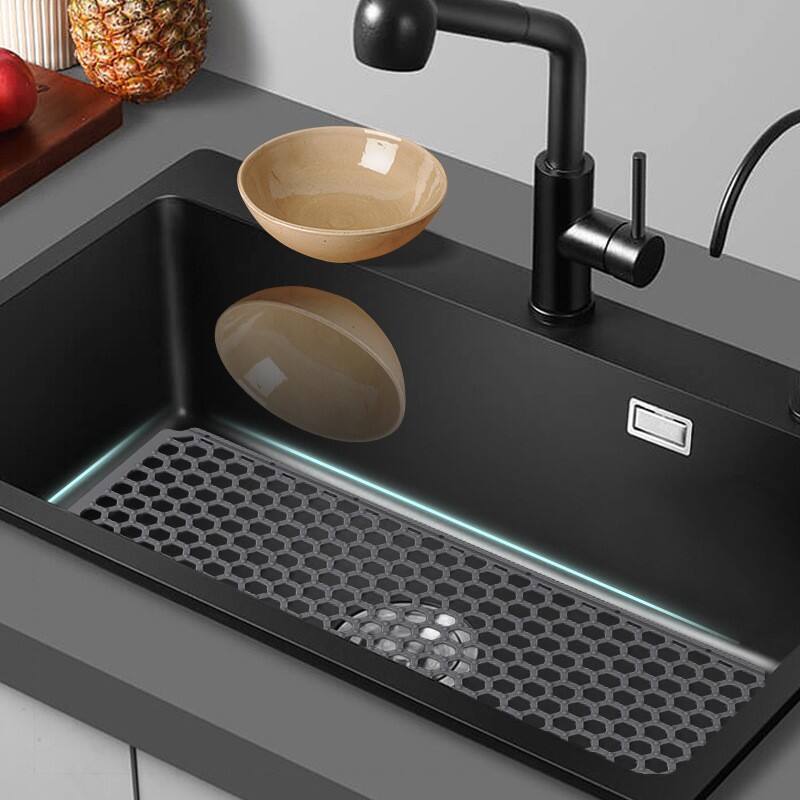
Food-Safe Compliance: FDA, NSF, and LFGB Certification Essentials for Bulk Orders
Bulk procurement of commercial-grade silicone mats demands rigorous food-safety validation beyond basic FDA 21 CFR 177.2600 compliance. While this regulation sets foundational migration limits, it does not address batch-to-batch variability or trace metal accumulation—critical concerns in high-volume production.
Why FDA CFR 177.2600 Alone Isn’t Enough—The Critical Role of Batch-Specific Testing and Trace Metal Limits
The standard FDA certification process doesn't really check products after they're certified, which can be a problem when manufacturing continues over multiple production runs. When dealing with large orders, it's absolutely necessary to test each individual batch to ensure everything performs consistently, particularly looking at how much heavy metals might leach out. Most reputable companies send samples to independent laboratories where they test for lead and cadmium content, aiming to stay under that critical 0.1 parts per million threshold set by NSF/ANSI 51 standards. These standards matter a lot for restaurants and food service operations that work with acidic ingredients because even tiny amounts of contamination can cause serious issues. Facilities that fail to keep detailed records showing what was tested in each batch could find themselves facing trouble from health inspectors down the road, potentially leading to fines or shutdowns until compliance is proven.
Platinum-Cured Silicone Mats: Lower Extractables, Longer Shelf Life, and Higher ROI in High-Volume Kitchens
Platinum-cured silicone reduces extractable compounds by 83% compared to peroxide-cured alternatives (Food Safety Journal, 2023), delivering measurable operational advantages:
- Sensory safety: Meets LFGB requirements with no odor or taste transfer
- Thermal resilience: Withstands continuous 450°F exposure across 12,000+ dishwasher cycles
- Cost efficiency: Delivers a 40% ROI improvement over three years through extended service life
Full alignment across FDA, NSF, and LFGB certifications is achievable only with platinum-cured formulations backed by third-party batch audits.
Thermal Performance: Sustained Heat Resistance Up to 450°F for Commercial Workflow Reliability
When talking about commercial kitchens, temperature limits really matter for equipment reliability. Take silicone mats for instance. Those made to handle steady heat up to 450 degrees warp about 42% less than cheaper options when left at 400 degrees for over 300 straight hours according to Food Processing Equipment Association data from last year. The difference becomes even more pronounced when comparing different usage patterns. Mats used briefly near fryers (around 30 minutes max) tend to last nearly three times longer than ones constantly exposed along baking lines. And let's not forget about compression set—the gradual loss of bounce after repeated heating cycles. This issue directly impacts wallet bottom lines since damaged mats need replacing sooner rather than later.
| Performance Factor | Continuous Use (400°F) | Intermittent Use (450°F) |
|---|---|---|
| Warping After 6 Months | 8.2 mm avg. deformation | 1.5 mm avg. deformation |
| Compression Set Loss | 35% elasticity decline | 12% elasticity decline |
| Avg. Lifespan | 8 months | 18+ months |
When it comes to flame retardancy and off-gassing safety in busy food service settings, compliance with standards like UL 94V0 and ASTM D635 makes all the difference. Silicone mats certified under UL 94V0 stop fires from spreading quickly around those open flame cooking stations. Testing according to ASTM D635 shows these mats release very little volatile organic compounds. Even when exposed to temperatures reaching almost 430 degrees Fahrenheit, VOC levels stay under 0.1%. This matters a lot in tight kitchen prep spaces where poor air quality can become a serious problem. Restaurants switching to these compliant mats saw a dramatic drop in incidents, with one study showing nearly 76% fewer problems reported across facilities (National Restaurant Association data from 2023). The reason? Older mats not meeting these standards often let out dangerous amounts of toxic fumes whenever they get too hot by accident.
Chemical & Mechanical Durability: Withstanding Daily Sanitization, Oils, and Heavy Foot Traffic
Resistance Benchmarking: Silicone Mat Performance Against Quats, Caustics, Acids, and Oxidizing Cleaners
In commercial kitchens, surfaces need to stand up to harsh cleaning chemicals without breaking down. High quality silicone works well against common kitchen cleaners including Quats, lye based solutions, acid based products, and even bleach. Testing done by independent labs found that these materials only lost around 5% of their weight after sitting in strong industrial solutions for over 500 hours according to Food Safety Journal research from last year. That's way better than regular rubber which tends to either crack apart or get all swollen when exposed to similar conditions. The fact that silicone doesn't absorb chemicals makes it much easier to keep clean between sanitation rounds. For food service applications, platinum cured versions are particularly good because they cut down on substances that might leach out by about two thirds compared to older peroxide cured formulas, so there's less chance of anything getting into the food itself.
Tensile Strength, Tear Resistance, and Anti-Slip Integrity After 5,000+ Cleaning Cycles
How durable something is determines how good it will be over time. Take premium silicone mats for example—these can hold onto around 90 percent of their original strength even after going through thousands of dishwasher cycles according to ASTM standards from last year. They also stand up pretty well against those pesky kitchen knives and other sharp tools. When it comes to tears spreading across the surface, we're looking at resistance levels above 40 Newtons per millimeter which means fewer spots where food bits get stuck and cause problems. The non-slip factor is another big plus too. These mats keep their grip on wet surfaces with a friction rating staying above 0.85 even when tested under stress conditions. That makes slips happen about 70 percent less often in really greasy areas of professional kitchens. All told, this kind of durability means these mats can last three years or more in busy commercial settings while saving businesses nearly half what they'd spend replacing cheaper polymer options regularly.
Procurement-Optimized Design: Thickness, Dimensions, and Customization for Scalable Deployment
Choosing the right mat thickness is all about finding that sweet spot between how well they work and what they cost to buy. Mats that are thinner, around 3 to 4 mm thick, can cut down on material expenses by roughly 15 to 25 percent, but they just don't hold up when subjected to heavy machinery traffic. On the flip side, going with thicker options at 5 to 6 mm will stand up better against industrial dishwashers, though these heavier mats add about 30 to 40 percent more weight during transport. Most facilities stick with standard sizes like 18 by 24 inches or 24 by 36 inches because this makes replacing worn out sections much easier across different workstations without having to keep track of dozens of different parts. And let's face it, nobody wants to deal with complex inventory systems. When certain operations have unique requirements, getting custom made mats often pays off in the long run despite the higher upfront investment.
- Non-standard countertop cutouts eliminate safety gaps
- Color-coded zones support allergen separation protocols
- Anti-roll edges prevent displacement during high-volume service
These design decisions optimize both upfront investment and long-term operational consistency—particularly across multi-location deployments.
Frequently Asked Questions
What are the main certifications for food-safe silicone mats?
The main certifications are FDA, NSF, and LFGB.
Why is batch-specific testing important?
It ensures consistency and addresses concerns like trace metal accumulation over multiple production runs.
What benefits do platinum-cured silicone mats offer?
They have lower extractables, longer shelf life, and provide a higher ROI.
How does thickness affect silicone mat performance?
Thicker mats withstand heavy use better but are more expensive and heavier to transport.
Table of Contents
- Food-Safe Compliance: FDA, NSF, and LFGB Certification Essentials for Bulk Orders
- Thermal Performance: Sustained Heat Resistance Up to 450°F for Commercial Workflow Reliability
- Chemical & Mechanical Durability: Withstanding Daily Sanitization, Oils, and Heavy Foot Traffic
- Procurement-Optimized Design: Thickness, Dimensions, and Customization for Scalable Deployment