
 EN
EN

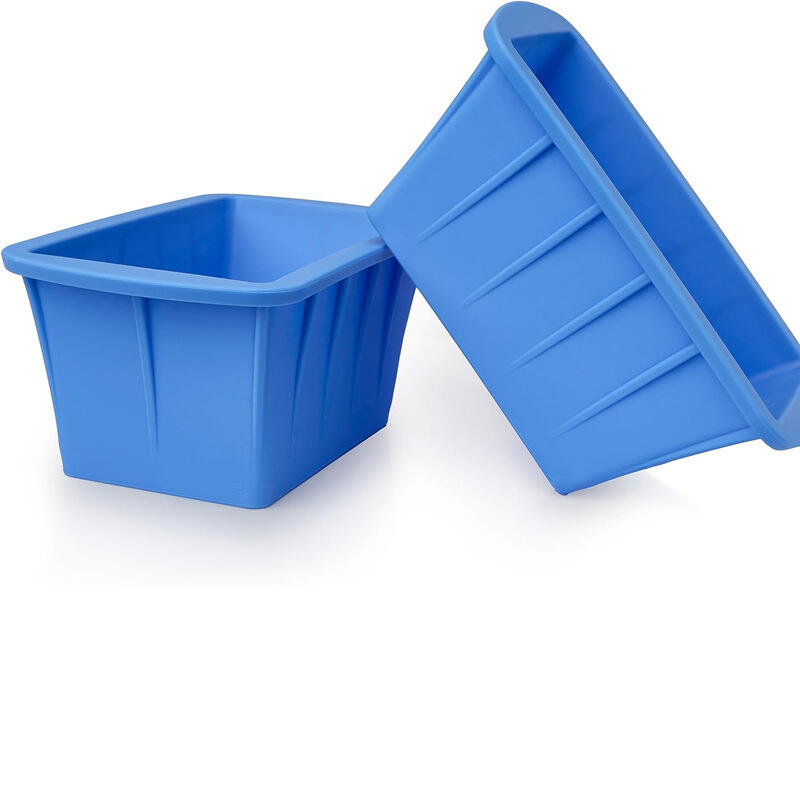
What Is an Ice Block Mold and Why It Matters for Commercial Operations
Ice block molds are basically containers made specifically for turning water into big, solid blocks needed for cooling in various industries. When businesses need ice, these molds do the job by freezing regular water into standard sized blocks, usually somewhere between about 5 kilograms and maybe 25 kg depending on what's required. Why are they so important? Well, there are actually three main reasons why these molds matter so much in commercial settings:
- Cost Efficiency: Businesses eliminate reliance on third-party ice suppliers, reducing expenses by up to 30% through avoided transport fees and minimized waste (Industry Report 2023).
- Quality Control: Uniform freezing ensures consistent density and purity, meeting strict hygiene standards for food service, medical storage, and logistics.
- Operational Resilience: On-demand production prevents supply disruptions during peak demand, supporting sectors from fisheries to event catering.
For commercial ice production, selecting durable molds directly impacts profitability and service reliability.
How Ice Block Molds Integrate with Industrial Ice Making Systems
The ice manufacturing process depends heavily on how well freezing machines work together with ice block molds for maximum productivity. When it comes to compatibility, this basically decides if the molds will perform as intended in either batch freezing setups or continuous operation systems. For batch freezers, we need molds built to last through all those manual handling cycles they go through repeatedly. Continuous systems tell a different story though they need molds designed for automatic release that can keep pace with conveyor belts moving through freezing tunnels. Having standard mounting points and consistent heat distribution characteristics means these molds can fit into most configurations without needing major modifications. This saves headaches when companies want to upgrade their facilities or expand operations later down the road.
Compatibility with Batch and Continuous Freezing Units
Ice block molds in batch freezers are built for quick manual removal, usually coming with strong handles and slightly tapered sides to make extraction easier. For continuous freezing operations, things work differently. These systems typically have molds equipped with automatic ejection features like hydraulic push rods or vibrating release mechanisms that interface directly with robotic arms along assembly lines. Many top cold storage warehouses now standardize their mold sizes according to industry norms such as ISO standards. This allows them to swap out equipment seamlessly between different freezing methods when needed. Such flexibility cuts down waiting time by about a third when business volume fluctuates seasonally, which makes a real difference in operational efficiency.
Cycle Time Optimization and Output Scalability
The way mold cavities are engineered affects how products freeze and how much gets produced overall. When manufacturers use molds crafted from materials that conduct heat well, such as aircraft grade aluminum, they actually speed up the cooling process. This means items solidify faster than when using regular steel molds, sometimes shaving off around 15 to 20 percent of the freezing time. The modular approach to mold design gives production teams flexibility too. They simply add more identical molds onto current racks instead of overhauling entire systems. Take a typical setup where one freezing machine handles about fifty molds. With this system, companies can easily boost capacity to handle two hundred molds without touching any fundamental equipment. As a result, daily output jumps from roughly five tons to twenty tons, all while keeping operational costs under control.
Selecting the Right Ice Block Mold for Your Business Needs
Matching Mold Size and Capacity to Demand Volume
Accurately sizing your ice block mold requires analyzing both average daily consumption and peak seasonal demand. Hospitality venues typically experience 30% higher ice usage during summer months, while seafood distributors need consistent high-volume output. Calculate your operational requirements by:
- Assessing daily and peak-hour usage patterns
- Projecting annual growth trajectories
- Accounting for storage limitations and production floor space
Choose molds that adapt to fluctuating demand—modular systems allow capacity expansion without replacing entire units. Oversized equipment wastes energy and floor space; undersized molds create bottlenecks during critical service periods.
Certifications, Hygiene Standards, and Maintenance Requirements
When it comes to food contact surfaces, always look for molds certified under NSF/ANSI 12 or ISO 22000 standards. These certifications matter most when dealing directly with perishables on display or serving beverages where contamination risks are highest. For material choice, go with stainless steel rated at grade 304 or better. This type resists bacteria growth and holds up well during those harsh industrial cleaning sessions we all know too well. Don't forget regular cleaning routines either. Mineral deposits build up over time and can actually cut down on heat transfer efficiency somewhere around 15% give or take. And when selecting equipment designs, consider ones that make these maintenance tasks easier rather than harder.
- Smooth, crevice-free surfaces for complete ice release
- Quick-disconnect fittings for deep cleaning
- Corrosion-resistant coatings in high-humidity environments
Proactive maintenance extends mold lifespan by 40% compared to reactive repairs, ensuring uninterrupted production cycles.
Top Industry Applications and Real-World Performance Insights
Ice block molds offer major benefits for businesses needing large scale cooling solutions. Restaurants and seafood processors find that solid ice blocks keep things freezing cold during long transports, cutting down on spoiled goods by around 18% when compared to regular ice cubes according to Food Logistics Report 2023. Bars at big events and commercial fishing operations depend on these molds because they last longer than regular ice. The slow melting means drinks stay chilled about 40% longer at parties and fish stays fresh without constant refilling. Hospitals use them too for keeping vaccines properly stored, especially important during blackouts when backup generators kick in. Looking at actual numbers from hotel kitchens shows that bars serving over 500 drinks per day save roughly $780 each month just by not having to restock ice as often. With good maintenance, these molds can last up to 15 years in chemical plants thanks to special alloys that resist rust and keep products clean. All these practical applications show why choosing the right ice mold makes such a difference in everyday operations across different industries.
Frequently Asked Questions (FAQ)
Why are ice block molds critical for commercial operations?
Ice block molds are essential due to their cost efficiency, quality control, and operational resilience, allowing companies to produce their own ice, ensure hygiene standards, and prevent supply disruptions.
How do ice block molds integrate with industrial ice making systems?
Ice block molds integrate by ensuring compatibility with batch and continuous freezing units, optimizing cycle times, and scaling output, fitting seamlessly into diverse production configurations.
How can I choose the right ice block mold for my business?
To select the right mold, match its size and capacity to your demand volume, and ensure it meets necessary certifications and hygiene standards. Modular systems provide flexibility for capacity expansion.
What are the top applications for ice block molds?
Ice block molds are used in restaurants, seafood processors, bars, hospitals, and commercial fishing operations, offering long-lasting cooling solutions and reducing waste compared to regular ice cubes.