
 EN
EN

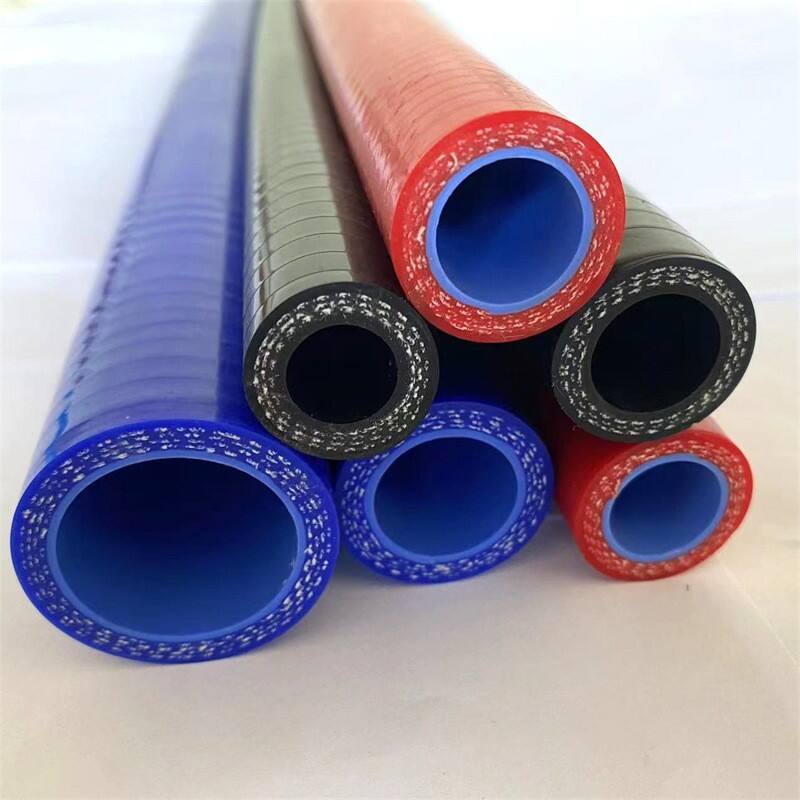
Chemical Compatibility: Prioritize Fluid Resistance Before Any Other Factor
Matching Common Industrial Fluids (Oils, Acids, Solvents) to Silicone Tube Resistance Limits
Silicone tubing provides pretty good chemical resistance most of the time, though there are definitely exceptions to consider. Getting this right really comes down to matching the specific fluids being used. Standard silicone holds up well against synthetic lubricants and plant-based oils, but when faced with petroleum products, it tends to break down quite quickly. When talking about acids, silicone stays put with weaker stuff like diluted acetic and citric acids above pH 3 level. However, throw in strong concentrations of sulfuric or hydrofluoric acid and watch things fall apart fast. What about solvents? Well, alcohol and glycol based ones generally aren't too bad for silicone, but be careful with ketones, aromatic compounds, and various hydrocarbon solvents. These will cause the tube material to swell up significantly sometimes over 15%, which can lead to all sorts of problems in practical applications.
| Fluid Category | Silicone Compatibility | Critical Limits |
|---|---|---|
| Oils | Moderate | Avoid petroleum-based oils |
| Acids | Limited | pH <3 risks degradation |
| Solvents | Low | Swells >15% in ketones/aromatics |
Over 40% of premature silicone tube failures stem from fluid incompatibility . For mission-critical systems, always validate performance via immersion testing using actual process fluids— not just generic chemical charts.
Critical Incompatibilities: When Silicone Tubes Degrade or Swell — and Safer Alternatives
Hydrocarbon solvents and petroleum oils cause 20–50% volumetric swelling in silicone, compromising structural integrity and increasing leak risk. Degradation accelerates above 150°C (302°F), where silicone loses elasticity and develops micro-cracks. Incompatible fluids also extract plasticizers, hardening the material and raising brittleness by up to 30% .
For these conditions, switch to purpose-engineered alternatives:
- Fluoropolymer tubes (FKM/FEP) for hydrocarbon solvents
- EPDM rubber for petroleum-based oils
- PTFE-lined hoses for high-temperature, aggressive acids
Always verify certifications — including USP Class VI and FDA compliance — especially in regulated sectors like pharmaceuticals or food processing.
Temperature and Pressure Performance: Validate Silicone Tube Ratings Against Real-World Equipment Cycles
Operating Range Reality Check: Standard vs. High-Temp Silicone Tubes in Dynamic Environments
Regular silicone tubing works well from about -60 degrees Celsius right up to around 200 degrees, though some special high temperature versions can handle continuous operation even at 230 degrees. What really causes problems isn't so much the maximum temperature reached but how often the material goes through heating and cooling cycles. According to recent studies, when kept at 180 degrees constantly, normal silicone becomes stiff about 40 percent quicker compared to those made for higher temps after going through multiple heat up and cool down periods (Material Science Research, 2023). This makes them brittle and prone to tiny cracks when subjected to vibrations. Automotive testing shows that high temp silicone can survive thousands of these temperature changes without failing, whereas regular tubes start breaking down way sooner, usually before reaching 1,200 cycles. When looking at specs from manufacturers, it's important to compare what they claim with the actual temperature fluctuations experienced by your specific equipment, not just the numbers listed on the box.
Pressure Handling Fundamentals: How Wall Thickness, ID/OD, and Reinforcement Affect Silicone Tube Reliability
Three structural parameters govern pressure resilience:
- Wall Thickness: In hydraulic burst tests, 2mm walls withstand 50% higher pressure than 1mm walls
- ID/OD Ratio: Tubes with a 1:1.5 inner-to-outer diameter ratio resist deformation three times more effectively under pulsating pressure
- Reinforcement: Aramid fiber braiding boosts maximum working pressure by 80% versus unreinforced equivalents
| Factor | Performance Impact | Failure Risk Without Optimization |
|---|---|---|
| Thin Walls | Reduced burst pressure | Rupture at 30% below rated PSI |
| Incorrect ID/OD | Flow turbulence & wall collapse | Flow reduction up to 40% |
| Unreinforced | Excessive expansion under pressure | Seal leakage in pump systems |
Select reinforced tubing with wall thickness calibrated to your system's peak PSI spikes — and never exceed 75% of rated pressure in dynamic applications.
Physical Integration: Ensuring Silicone Tube Fit, Flexibility, and Seal Integrity in Equipment
Precision Sizing (ID/OD/Tolerances) for Vibration-Resistant, Leak-Free Coupling in Mobile & HVAC Systems
Getting the measurements right matters a lot for making sure there are no leaks and vibrations when parts fit together. We're talking about inner diameter (ID), outer diameter (OD), and keeping tolerances tight usually around plus or minus half a millimeter. If the inside is too small, fluid just won't flow properly through it. And if the outside is too big, the part simply won't seat correctly against whatever it needs to attach to. Take mobile machinery or heating ventilation air conditioning systems for instance. The silicone material used there actually helps soak up some of the mechanical stress between hard parts, but this only works as intended when everything fits exactly as specified. When dimensions go off track, all sorts of problems pop up like premature wear on components or complete failure under normal operating conditions.
- Detachment under shock or cyclic stress
- Abrasive wall wear from friction against mounts
- Seal failure due to constant movement-induced creep
Flexibility requirements differ markedly across uses: freeze-resistant HVAC tubing demands tighter bend radii than high-pressure hydraulic lines in excavators. Reinforcement adds burst strength without sacrificing necessary flexibility — provided geometry is optimized.
To preserve seal integrity, confirm:
- Connector compatibility with tube OD
- Clamping force relative to tube Shore A hardness
- Alignment of thermal expansion coefficients between tube and fittings
Exact dimensional alignment minimizes coupling strain and extends service life in turbulent environments. Systems subjected to frequent vibration benefit most from custom geometries engineered for specific amplitude and frequency profiles.
Material Grade & Curing Method: Why Platinum-Cured Silicone Tubes Deliver Superior Industrial Longevity
Peroxide vs. Platinum Cure: Impact on Extractables, Compression Set, and FDA/USP Compliance
Silicone tubing made with platinum curing offers real benefits when it comes to purity levels, long term stability, and meeting regulatory standards. Platinum catalysts get rid of those pesky organic peroxide leftovers that can contaminate products. This means there are about ten times fewer extractable substances than what we see with peroxide cured options. That matters a lot for industries like pharma, biotechnology labs, and food manufacturing where anything touching the product has to be absolutely safe. Another plus point is how these tubes hold up over time. They keep their shape pretty well even after being compressed many times, maintaining around 90% of their original form. Regular peroxide cured versions just fall apart much faster when subjected to similar conditions.
Silicone cured with platinum naturally complies with FDA and USP Class VI requirements right out of the box, no extra treatments needed. The material doesn't smell bad or turn yellow over time, which helps keep things clean in places where sterility matters most. Sure, peroxide cured options still work well enough for basic industrial stuff where costs are tight. But when it comes to situations requiring lasting performance, meeting regulations, and keeping fluids pure without compromise, platinum curing stands head and shoulders above the rest.
FAQs
What fluids are silicone tubes resistant to?
Silicone tubes are generally resistant to synthetic lubricants, plant-based oils, and weak acids like diluted acetic and citric acids. However, they are not compatible with petroleum-based oils, strong acids, and certain solvents which can cause swelling.
How does temperature affect silicone tubing?
Silicone tubing can typically withstand continuous operating temperatures from -60°C to 200°C, and special high-temperature versions can go up to 230°C. Repeated heating and cooling cycles can cause the silicone to become brittle and crack over time.
What should I consider for optimal silicone tube performance?
Consider the fluid compatibility, the operating temperature range, pressure handling capabilities, and the physical fit within your equipment. Ensuring proper ID/OD and wall thickness is crucial for reliable and leak-free performance.
Are there safer alternatives to silicone tubing?
Yes, for fluids that cause significant swelling or degradation of silicone, alternatives like fluoropolymer tubes, EPDM rubber, or PTFE-lined hoses are recommended depending on the fluid and application.
Why choose platinum-cured silicone over peroxide-cured?
Platinum-cured silicone offers higher purity with fewer extractables, better long-term stability, and naturally complies with FDA and USP standards, making it ideal for industries where purity and compliance are critical.
Table of Contents
- Chemical Compatibility: Prioritize Fluid Resistance Before Any Other Factor
- Temperature and Pressure Performance: Validate Silicone Tube Ratings Against Real-World Equipment Cycles
- Physical Integration: Ensuring Silicone Tube Fit, Flexibility, and Seal Integrity in Equipment
- Material Grade & Curing Method: Why Platinum-Cured Silicone Tubes Deliver Superior Industrial Longevity
- FAQs