
 EN
EN

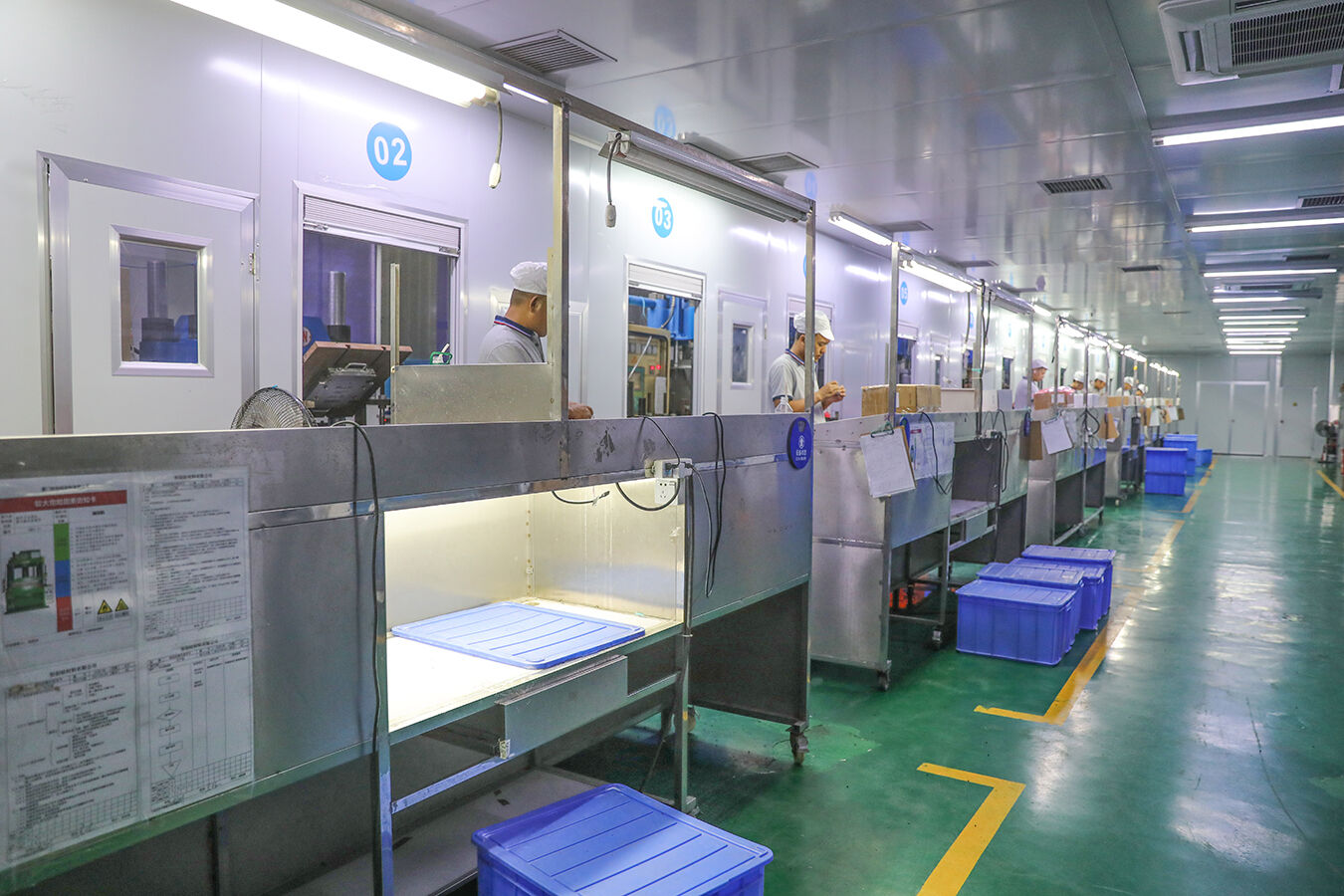
Why Partnering with a Specialized Silicone Products Manufacturer Matters
Silicones play really important roles in medical devices, cars, and everyday consumer goods because when materials aren't made right, it affects everything from safety to how well they work and whether they meet regulations. Most regular manufacturers don't have much experience working with silicone chemistry, which means there's a higher chance things might go wrong. Problems could include things like parts breaking down too soon, inconsistent curing during production, or materials that aren't safe enough for contact with skin or bodily fluids. When these kinds of mistakes happen, companies face expensive recalls that typically cost around 740 thousand dollars each according to industry reports from last year. That's why many businesses turn to specialized silicone makers who know their stuff regarding FDA and ISO standards, can design custom molds properly, and test materials thoroughly throughout production. These experts help reduce risks all along the manufacturing process.
The technical support they offer throughout the prototype phase helps avoid those costly last minute redesigns, which can cut down on time getting products to market by roughly 30 to maybe even 40 percent. When it comes to production, their scalable approach with vertical integration keeps things running smoothly even when demand spikes suddenly. No need to worry about losing precision or consistent quality standards here. Generic suppliers just don't cut it compared to these specialized partners who actually know how to handle all those tricky regulations and unexpected tolerance issues that come up. What starts as ordinary silicone ends up being something much more valuable for businesses looking to innovate reliably while standing out from competitors in crowded markets.
Key Capabilities to Evaluate in a Silicone Products Manufacturer
Material Expertise and FDA/ISO Compliance
Having solid knowledge of materials really matters when it comes to quality manufacturing. The best suppliers have extensive hands on experience working with different types of silicone products. They know their stuff when it comes to medical grade platinum cured silicones and also handle industrial liquid silicone rubber or LSR as it's commonly called. These companies keep all their paperwork in order to show they meet FDA standards for things that touch food and medical equipment too. Plus they follow ISO 13485 regulations specifically for medical devices. When manufacturers work with these certified partners, they get assurance about several important factors. The materials will be safe for bodily contact, resistant to chemicals, stable at high temperatures, and every batch can be traced back through the production process from start to finish.
Custom Mold Design and Rapid Prototyping
Precision tooling defines manufacturability and functional integrity. Prioritize manufacturers offering:
- 3D-printed prototype molds enabling design validation within 72 hours
- Scientific molding methodologies that optimize fill, pack, and cooling to minimize flash and material waste
- Integrated DFM (Design for Manufacturing) analysis to refine geometry, wall thickness, and gate placement before tooling begins
This combination reduces development cycles, lowers NRE costs, and strengthens first-run success rates.
Scalable Production and Supply Chain Reliability
Resilience hinges on flexibility backed by infrastructure. Look for partners with:
- Vertical integration—controlling silicone compound sourcing, mixing, and curing—to ensure batch-to-batch consistency
- Automated LSR injection lines capable of holding ±0.05mm dimensional tolerances across high-volume runs
- Proven contingency protocols for raw material volatility, including dual-sourcing strategies shown to reduce disruption risk by 67% (Supply Chain Resilience Index 2024)
Verified capacity to scale output up to 300% of baseline volume ensures uninterrupted delivery amid market shifts or product launches.
How to Vet a Silicone Products Manufacturer: Due Diligence Checklist
Reviewing Certifications, Facility Audits, and Quality Control Processes
Check if they have up to date ISO 13485 certification and proper FDA documentation for materials. But don't stop at just seeing those certificates hanging on the wall somewhere. Look for complete traceability records that include specific lot numbers, actual test results, and proof of how they validate sterilization methods like autoclave cycles or gamma irradiation dose mapping. Ask to see records from recent independent facility inspections that cover things like where raw materials are stored, how they keep their cleanrooms operating properly, what kind of environmental controls they have in place, and how they handle waste products. When looking at their statistical process control systems, top quality manufacturers typically keep defects under 0.5% across different production runs. They also keep detailed records validating every important step in their manufacturing process, which shows real commitment to maintaining consistent product quality over time.
Assessing Technical Support, Lead Times, and Communication Responsiveness
When testing how responsive a vendor really is, give them an actual request and watch what happens. The best ones usually get back with useful design suggestions within two days flat and can have working prototypes ready in less than three weeks. Take a good look at their communication setup too. Does someone specific handle your account? Can you track production progress in real time through a secure portal? Regular meetings every quarter show they take things seriously. Steer clear of companies that take longer than three days to respond or insist on minimum order quantities so high they make small scale testing impossible. These red flags often point to deeper issues with their operations.
Long-Term Partnership Benefits Beyond Manufacturing
Working closely with a specialized silicone manufacturer goes way beyond just getting parts when needed. These partnerships actually spark new ideas because both sides share what they know about research and development. Companies find their products get better faster this way, and interestingly enough, studies from last year show development risks drop around 30%. The supply chain side gets stronger too. When manufacturers are really involved with their suppliers, they spot potential material problems before they happen. Partners work together on different formulas when something runs short, and figure out smarter shipping routes. All these things mean shorter wait times for orders and much better predictions about what will be needed next.
Co-Development, Regulatory Guidance, and Lifecycle Support
Smart manufacturers don't just build products, they become part of the engineering team right from the start. These partners work hand in hand with designers through quick prototype builds, multiple rounds of testing, and regular check-ins across different departments. When it comes to regulations, these manufacturers understand what's required by agencies like the FDA regarding substances that might migrate out of materials, or the ISO standards about whether medical devices are safe for human contact. After products hit the market, there's still plenty of work to do. Manufacturers run tests to see how well things hold up when exposed to harsh conditions similar to what customers actually face. They also look at ways to make products greener, like choosing materials that can be recycled later on. And when products eventually reach their end of life, these forward-thinking companies have plans in place for collecting used items and finding ways to reuse valuable components such as silicone parts. This kind of deep collaboration transforms manufacturing operations from something that just costs money into an actual driver of new ideas, regulatory compliance, and building lasting relationships with customers who want reliable products.
FAQs: Partnering with a Specialized Silicone Products Manufacturer
What are the benefits of working with a specialized silicone manufacturer?
These manufacturers offer expertise in FDA and ISO compliance, custom mold design, rapid prototyping, and scalable production. They also reduce risks of product recalls and ensure consistency and quality.
How can technical support contribute to the production process?
With technical support during prototyping, costly redesigns are avoided, reducing time-to-market by 30-40%. Their scalable production ensures quality even if demand increases.
Why is material expertise important in silicone manufacturing?
Material expertise ensures quality manufacturing, compliance with regulations, and safe contact with bodily fluids. It supports the stable and consistent production of high-quality silicone products.
How does partnering with a specialized manufacturer affect supply chain reliability?
Partnerships improve supply chain resilience through vertical integration, automated processes, and dual-sourcing strategies, enhancing the ability to handle demand fluctuations and mitigate disruption risks.
Table of Contents
- Why Partnering with a Specialized Silicone Products Manufacturer Matters
- Key Capabilities to Evaluate in a Silicone Products Manufacturer
- How to Vet a Silicone Products Manufacturer: Due Diligence Checklist
- Long-Term Partnership Benefits Beyond Manufacturing
- FAQs: Partnering with a Specialized Silicone Products Manufacturer