
 EN
EN

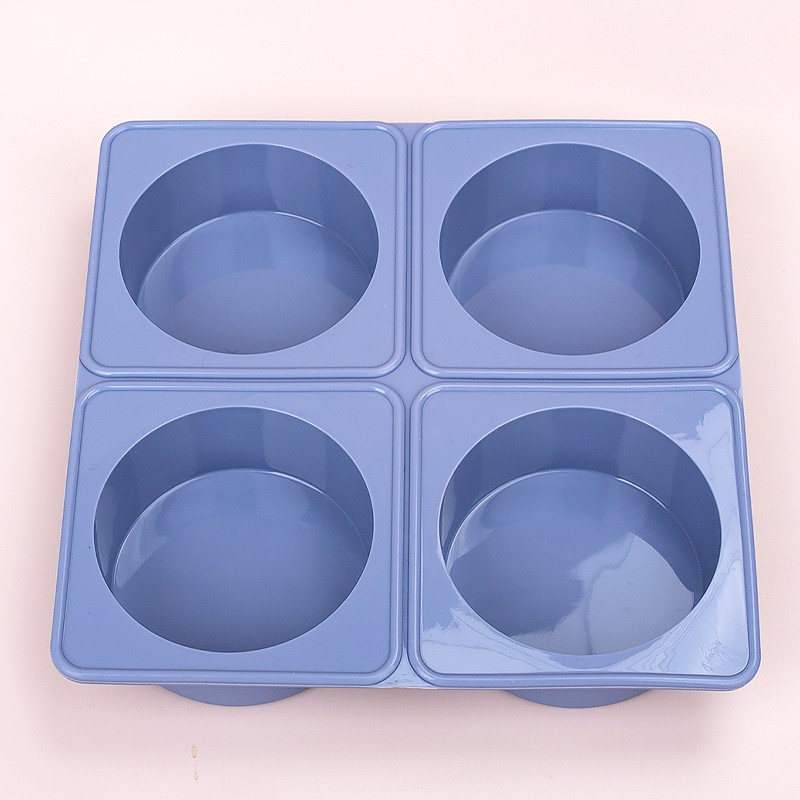
Optimizing Production Efficiency Through Tailored Mold Architecture
In today’s highly competitive commercial landscape, product branding and production efficiency have become inseparable drivers of business growth. Custom silicone molds have moved far beyond standard shapes; they are now strategic tools engineered to optimize manufacturing outputs across the culinary, pharmaceutical, and industrial sectors. For procurement managers and brand owners, the ability to configure specific cavity quantities while integrating intricate internal patterns offers a massive advantage. This flexibility allows businesses to align their molding tools perfectly with existing automated machinery and targeted production volumes, converting a simple manufacturing component into a powerful asset for brand differentiation and scaled efficiency. By carefully planning the mold layout, companies can ensure that their production lines run smoother, faster, and more reliably than ever before. Investing in such tailored solutions is not merely an expense; it is a long-term commitment to operational excellence that pays dividends in both product quality and market competitiveness.
The Engineering Logic of Cavity Quantity Optimization
Determining the ideal cavity layout within a single silicone mold requires a deep understanding of manufacturing balance. It is not simply a matter of crowding as many cavities onto a single sheet as possible; engineers must calculate the material flow, thermal distribution, and structural integrity of the mold wall. From an engineering standpoint, a high-cavity mold maximizes the output of a single press cycle, which drastically reduces labor and operational costs for high-volume runs. However, if the spacing between cavities is too narrow, the mold loses structural stability and undergoes accelerated thermal fatigue. Designing an optimal layout ensures uniform heating and cooling across all sections, directly preventing structural warping and guaranteeing that every single output is identical in weight and volume. Precision engineering here means that the molds work in harmony with the machinery, minimizing downtime and maximizing the return on every press.
Mastering Micro-Scale Inner Pattern Design and De-molding Success
Integrating precise corporate logos, text, or textured geometric patterns onto the interior surfaces of a mold introduces significant manufacturing challenges. Drawing from practical factory floor experience, the depth and draft angles of these inner patterns are critical to preventing defects. If an embossed pattern features sharp ninety-degree angles, the silicone material may experience micro-tearing during the de-molding phase, which slowly destroys the mold surface over repeated uses. To achieve crisp, clear transfers without compromising the tool's lifespan, experienced toolmakers utilize advanced CNC engraving to apply precise, subtle draft angles to every letter and line. Additionally, proper venting pathways must be calculated within the mold architecture to prevent air pockets from trapping within intricate details, ensuring flawless surface finishes on every piece. This attention to detail is what separates ordinary molds from high-performance tools that stand up to the rigors of commercial production.
Material Dynamics and International Regulatory Compliance
The success of complex inner pattern replication relies heavily on the quality and viscosity of the raw elastomer. High-purity, platinum-cured silicone is universally recognized by industry experts as the premium standard for high-precision applications. Peroxide-cured alternatives often suffer from higher shrinkage rates, which can warp fine geometric lines and alter the final dimensions of a product. Furthermore, top-tier silicone formulations provide the excellent tear strength and flexible memory required to bounce back after thousands of mechanical de-molding cycles. For international brands, utilizing materials that meet stringent food-contact and industrial compliance certifications is non-negotiable, ensuring that the finished products are completely safe, highly durable, and compliant with global safety standards. Reliable material sourcing is the bedrock upon which all successful custom molding projects are built, as consistency in material performance dictates the final consumer experience.
The Strategic Supply Chain Advantage of Bespoke Tooling
From a procurement and financial perspective, investing in customized cavity and pattern configurations delivers measurable long-term value. Instead of modifying standard consumer-grade products to fit commercial assembly lines, custom engineering allows the tooling to integrate seamlessly with existing automation from day one. This highly precise integration reduces scrap rates and shortens cycle times, translating to a much faster time-to-market for new product rollouts. Furthermore, possessing exclusive tooling that features proprietary internal designs allows global brands to build solid intellectual property defenses, making it incredibly difficult for third-party competitors to replicate their distinctive market offerings. When companies control their own tooling, they gain the agility to pivot quickly in response to market demands, ensuring that they stay ahead of the curve in an ever-changing retail environment.
Driving Global Success Through Advanced Silicone Engineering
Hands Chain stands as a premier manufacturing partner, specializing in the engineering and bulk production of custom silicone molds featuring specialized cavity layouts and high-definition interior detailing. With extensive technical capabilities, the facility utilizes high-precision CNC engraving and automated liquid injection molding to transform complex customer concepts into resilient industrial tools. Hands Chain understands the operational pressures faced by global brands, providing comprehensive supply chain services that range from initial prototyping and flow simulations to high-volume manufacturing. By strictly matching advanced material selection with meticulous quality control, Hands Chain delivers durable molding solutions that optimize production efficiency and elevate brand value on a global scale. Whether a business requires a high-cavity industrial mold or an intricately patterned culinary tool, the experienced engineering team is fully equipped to deliver solutions that stand up to the most demanding operational environments, ensuring consistent, high-quality results that satisfy both the brand and the end consumer.
Table of Contents
- Optimizing Production Efficiency Through Tailored Mold Architecture
- The Engineering Logic of Cavity Quantity Optimization
- Mastering Micro-Scale Inner Pattern Design and De-molding Success
- Material Dynamics and International Regulatory Compliance
- The Strategic Supply Chain Advantage of Bespoke Tooling
- Driving Global Success Through Advanced Silicone Engineering